

Nepal Reconsiders Social Media Ban After Deadly Gen Z Protests.
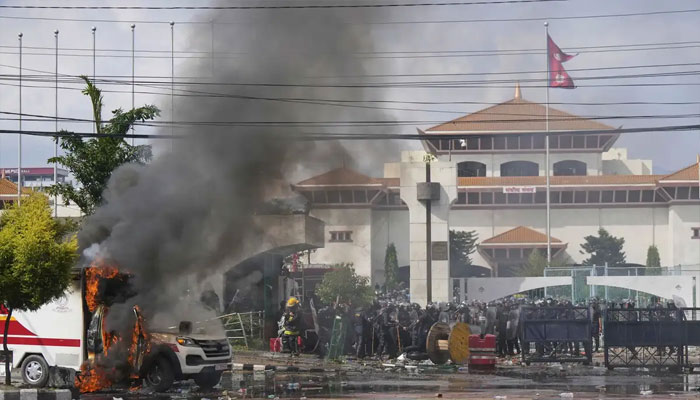
Kathmandu was rocked by massive protests on Monday as thousands of young Nepalis demanded the government lift its recent ban on social media platforms and crack down on corruption.
According to state television, at least 18 protesters were killed and 87 others injured in violent clashes across the country. One demonstrator, shot during unrest in New Baneshwor, died while undergoing treatment at Civil Hospital. Several of the injured have yet to be identified.
In Damak, protesters set fire to an effigy of Prime Minister KP Sharma Oli outside the municipal office and attempted to breach its gates. Police deployed water cannons, tear gas, and rubber bullets in response, leaving one demonstrator critically injured. Motorcycles were torched as tensions escalated.
Scenes from Kathmandu showed protesters hurling tear gas canisters back at security forces, who had retreated and shielded themselves from flying projectiles.
Government Under Pressure
Amid mounting unrest, government spokesperson Prithvi Subba Gurung confirmed that the cabinet will review the controversial ban. “The lives of our people are the most important thing. If government decisions need to be reconsidered, there is no point in remaining steadfast,” he told BBC.
Last week, Nepal restricted access to Facebook, Instagram, YouTube, and other major platforms after they failed to register with the Ministry of Communication and Information Technology. TikTok, however, remains active and has been flooded with viral videos contrasting the hardships of ordinary Nepalis with the lavish lifestyles of politicians’ children — further fueling anger.
Oli Defends Ban
At a public event on Monday, Prime Minister Oli defended the decision, saying it was about “upholding national dignity” rather than jobs or business losses. He accused global tech firms of refusing to comply with Nepali law, failing to pay taxes, and dismissing repeated government requests for registration.
“For self-respect, maybe four jobs go for four days, but new ones will come,” Oli said, rejecting claims that the ban was harming employment.
The government had earlier ordered social media companies to set up local offices, appoint grievance officers, and register within seven days, following a Supreme Court directive last year.
A History of Online Restrictions
Nepal has a track record of curbing online platforms. Telegram was blocked in July over fraud and money laundering concerns, while TikTok faced a nine-month ban that was only lifted last year after the platform agreed to government conditions.
Despite official assurances that it “respects freedom of thought and expression,” the government now finds itself under intense pressure as Gen Z-led protests grow into a broader rebellion against corruption and political privilege.
Comments are closed.