
Skip Boring Cardio: This 30-Minute Dance Workout Can Burn Up To 300 Calories

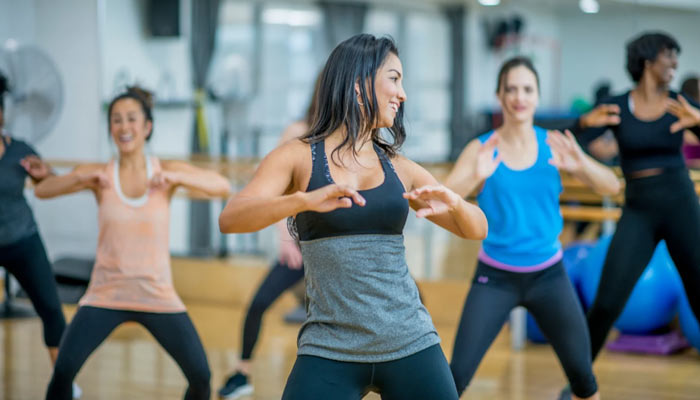
Who says getting fit has to mean spending hours on a treadmill?
If you have ever danced around your living room to your favourite song, you may already be doing a workout that can help improve your fitness.
From Zumba and salsa to hip-hop and freestyle, dance workouts offer a way to combine exercise with music and movement. They can raise the heart rate, engage multiple muscle groups, improve coordination and make physical activity feel less like a chore.
“Dancing acts as a comprehensive workout that helps improve cardiovascular health, circulation, and muscle strength,” said Aman Puri, Sports, Fitness & Kids Nutrition Specialist.
According to Puri, the rhythmic and rapid movements involved in dancing can also improve balance, coordination and flexibility. Another advantage is accessibility — dancing requires little equipment and can be adapted to different fitness levels, including for older adults.
How Many Calories Can 30 Minutes Of Dancing Burn?
A 30-minute dance workout can burn roughly 250–300 calories, depending on factors such as body weight, intensity and the type of dance.
Puri said choreography can make a difference by adding intensity and variety to a routine. High-energy styles such as hip-hop, breakdancing, salsa and Zumba can involve continuous movement, helping increase energy expenditure.
“Choreography is a game-changer,” Puri said, explaining that structured routines can make workouts more engaging while increasing the intensity of movement.
Can Dance Replace Traditional Cardio?
For people who find running, cycling or treadmill workouts repetitive, dancing can be an enjoyable alternative.
Dance routines often combine jumps, hops, high knees and side-to-side movements that can raise the heart rate and challenge the cardiovascular system. The combination of music and choreography may also help people stay engaged for longer.
“If you find regular cardio monotonous and tiring, choreographed dancing is an excellent option,” Puri said.
When performed continuously, structured dance routines can turn simple movements into an aerobic workout that challenges both the heart and lungs.
Dance Can Build Strength And Stamina Too
Dance is not limited to cardiovascular fitness. Depending on the style and movements involved, a dance workout can engage the legs, glutes, core, shoulders and arms.
“Choreography turns simple movements into progressive and structured moves, improving the flow of movements. It can also improve coordination, increasing the ability to perform dance moves without fatigue,” Puri explained.
Regular dance workouts can therefore contribute to muscular endurance, balance, coordination and flexibility, potentially making everyday physical activities easier.
Dancing May Benefit Mental Well-Being
The benefits of dancing are not limited to physical fitness. Moving to music can also provide a mood boost and help make exercise more enjoyable.
Dance-based activities such as Zumba may help reduce stress and promote the release of feel-good chemicals such as endorphins. The combination of physical activity, music and memorising choreography can also engage the brain.
Dance may therefore be particularly useful as part of an active lifestyle that supports both physical and mental well-being.
So, if traditional cardio feels like a chore, turning up the music may be a simpler way to get moving. Whether it is Zumba, salsa, hip-hop or freestyle, a 30-minute dance session can offer a fun combination of cardio, movement and calorie-burning exercise.
Comments are closed.