

Iran Says No Final Deal Reached Despite Trump’s Claim of Imminent Breakthrough
Iran on Friday said it had not yet taken a final decision on a proposed agreement to end the months-long conflict in the Middle East, pushing back against US President Donald Trump’s claim that a deal could be signed within days.
The contrasting statements underscored the uncertainty surrounding efforts to secure a permanent settlement to the war that erupted after joint US-Israeli strikes on Iran in February.
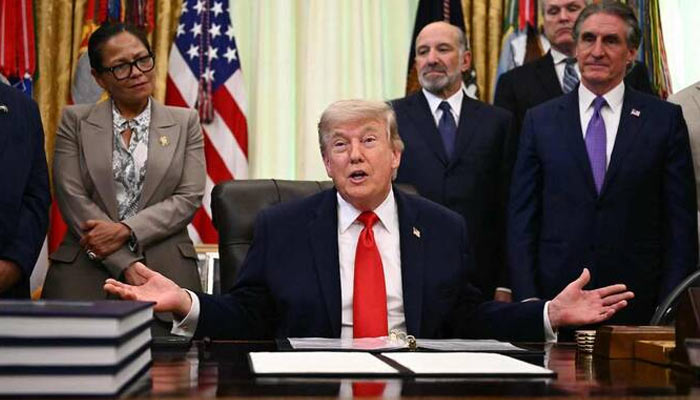
Trump struck an optimistic tone, announcing that he had canceled planned military strikes against Iran after receiving indications that negotiations were nearing a successful conclusion.
Claiming that discussions had reached the highest levels of the Iranian leadership, Trump said key aspects of the proposed arrangement had been approved and that details regarding a formal signing would be announced soon.
The comments boosted investor confidence, helping drive gains in global stock markets while pushing oil prices lower on hopes that tensions in the region could ease.
Tehran Urges Caution
Iran, however, offered a far more cautious assessment of the negotiations.
Foreign Ministry spokesperson Esmaeil Baqaei said no final agreement had been reached and insisted that important issues remained unresolved.
According to Baqaei, much of the draft text had already been negotiated, but talks became complicated after Washington introduced new demands and altered some of its previous positions.
Iranian media outlets also urged caution, noting that similar predictions of an imminent breakthrough had been made several times over recent months without producing a final deal.
Officials in Tehran maintained that any announcement regarding a potential agreement should come from Iran itself rather than from statements made by the US president.
Trump Doubles Down
Despite Tehran’s reservations, Trump later reiterated his confidence that a breakthrough was close.
Speaking to reporters, he suggested that Iran’s leadership had effectively endorsed the proposed framework and indicated that regional allies, including Israel, had been consulted during the negotiations.
According to the Israeli Prime Minister’s Office, Benjamin Netanyahu held discussions with Trump, who reportedly assured him that any future understanding with Tehran would include measures addressing Iran’s enriched nuclear material and missile infrastructure.
Diplomatic Push Intensifies
The latest developments come after months of intermittent diplomacy aimed at transforming a fragile ceasefire into a lasting settlement.
The conflict began in late February with large-scale US-Israeli strikes on Iranian targets, triggering one of the most serious confrontations in the region in years.
Although a truce was reached in April, negotiations on a permanent resolution have repeatedly stalled amid disagreements over security guarantees, nuclear issues and regional military activity.
Trump’s announcement has fueled speculation that mediation efforts involving countries such as Qatar and Pakistan may have helped narrow differences between the two sides.
Egypt also welcomed the apparent diplomatic progress, urging both Washington and Tehran to seize what it described as a rare opportunity to end the conflict.
Tensions Persist
Despite signs of diplomatic movement, tensions on the ground remain high.
Iranian military officials have continued to warn that any renewed US military action would trigger a forceful response and could further destabilise the region.
Meanwhile, concerns over regional security remain elevated after Kuwait reported that Iranian military activity had affected infrastructure on its territory, forcing temporary disruptions to air traffic.
The conflict has also continued to impact global energy markets. Iran recently reinforced restrictions around the strategically important Strait of Hormuz, a vital route for global oil and gas shipments, contributing to uncertainty in international markets.
For now, hopes of a diplomatic breakthrough remain alive, but the gap between Washington’s optimism and Tehran’s caution suggests that significant hurdles still stand in the way of a final agreement.
Comments are closed.