
Trump Says Iran Not Ready for ‘Right Deal’ as Tehran Warns of ‘Devastating’ Response

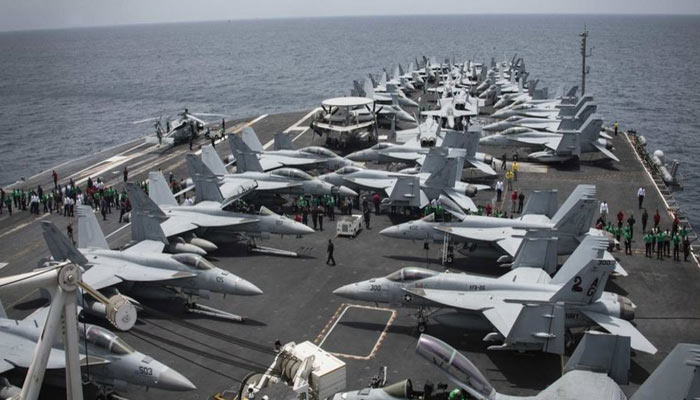
US President Donald Trump said Iran was not prepared to accept what he called the “right deal” as Washington moved to impose new economic measures aimed at intensifying pressure on Tehran nearly six months into the conflict.
Speaking to reporters on Friday, Trump said the United States continued to hold significant leverage in the region, including over the Strait of Hormuz. Asked about potential US military options, he suggested that Tehran wanted an agreement but was unwilling to accept Washington’s terms.
“They would love to make a deal, but they’re not ready to make the right deal,” Trump said.
US prepares new sanctions on Iran
Trump’s remarks came as US Treasury Secretary Scott Bessent said Washington would announce details on Monday of new financial penalties targeting Iran. The measures are expected to be among the toughest sanctions imposed by the United States. Trump has also warned countries against providing Tehran with “any type of lifeline.”
Bessent told CNBC that Washington intended to apply unprecedented economic pressure and said the US wanted to bring down the Iranian regime.
The planned sanctions come as Iran’s economy faces mounting challenges, including high inflation, a weakening currency, energy shortages and damage to infrastructure caused by the conflict.
- Iran warns of ‘devastating’ response
- Tehran responded with a strong warning.
Major General Ali Abdollahi, chief of staff of Iran’s armed forces, said the country’s military was prepared to respond to any new US threats.
Iranian media quoted him as saying that the armed forces were ready across land, sea, air, air defence and cyberspace to deliver a “crushing, punishing and devastating” response.
Iranian leaders have continued to project confidence despite the growing economic pressure. Parliament Speaker Mohammad Baqer Qalibaf, who is also Tehran’s main negotiator in mediated talks with Washington, argued that the US appeared to have recognised the limits of direct military confrontation.
However, Qalibaf also acknowledged the importance of Iran’s economic stability, warning that military strength alone would not be enough if people faced hunger and the economy lacked growth, production and financial activity.
Conflict continues to threaten regional stability
The conflict, which began with US and Israeli military action nearly six months ago, has killed thousands and drawn Gulf countries into the wider confrontation.
US attacks have significantly weakened Iran’s conventional military capabilities and damaged its economy, but Tehran continues to possess missiles and drones capable of threatening regional targets and disrupting shipping through the Strait of Hormuz.
Trump has also yet to achieve several objectives outlined at the beginning of the conflict, including dismantling Iran’s nuclear programme and creating conditions for the removal of its clerical leadership.
The war has also contributed to higher gasoline prices and growing political pressure on Trump. A Reuters/Ipsos poll this week showed his approval rating falling to its lowest level of his current term.
Oil markets react to sanctions threat
Oil prices moved higher on Friday after Washington threatened sanctions against countries trading with Iran, as markets anticipated tighter supplies.
China, a major buyer of Iranian oil, called for diplomacy and questioned the effectiveness of sanctions. China’s embassy in Washington said sanctions and pressure would not resolve the dispute.
Bessent argued that Beijing had an incentive to cooperate with Washington because China receives a significant share of its energy supplies through the Gulf. However, additional US economic pressure could also create new tensions between Washington and Beijing.
Strait of Hormuz remains a flashpoint
The Strait of Hormuz remains one of the biggest concerns arising from the conflict. Before February, the strategic waterway carried roughly one-fifth of global oil traded internationally.
The conflict has disrupted shipping and increased the risk of Iranian attacks on energy infrastructure and desalination facilities in Gulf states.
Washington and Tehran have twice announced ceasefire agreements, in April and June, that included efforts to restore freedom of navigation through the strait. Iran and Oman have separately held talks aimed at restarting shipping, although the United States has opposed proposals requiring vessels to pay a toll.
NATO is also discussing ways to support freedom of navigation. US Air Force General Alexus Grynkewich, NATO’s top military commander, held a videoconference with allied defence chiefs on Wednesday to discuss possible assistance.
NATO said the effort does not constitute a formal alliance mission, but its capabilities could help facilitate discussions on keeping the strategic waterway open.
With Washington preparing new sanctions and Tehran warning of a severe military response, tensions remain high as both sides continue to weigh economic pressure, military options and the possibility of renewed negotiations.
Comments are closed.