
Tulsi Gabbard Accuses Washington Post Reporter of Harassing Intel Officials

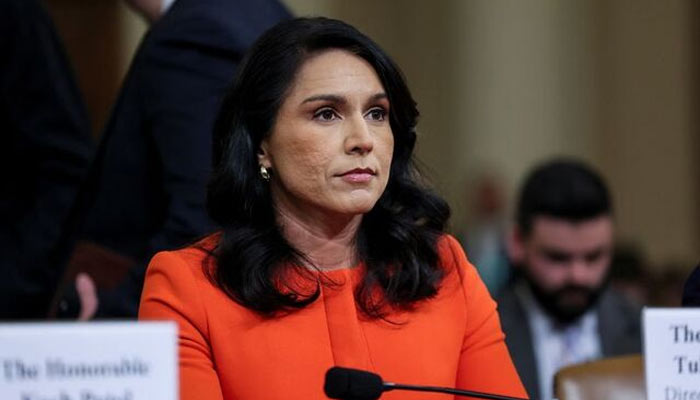
Gabbard Accuses Washington Post Reporter of Harassing Intelligence Officials; WaPo Pushes Back.
U.S. Director of National Intelligence Tulsi Gabbard has accused The Washington Post and senior national security correspondent Ellen Nakashima of harassing intelligence officials and employing “deceptive tactics” in her reporting. The claims have triggered a sharp response from the newspaper, reigniting debates over press access, accountability, and the boundaries of journalism in national security reporting.
In a post on X, Gabbard alleged that Nakashima bypassed official channels and used unconventional means to contact intelligence officers.
“It has come to my attention that Washington Post reporter @nakashimae appears to be actively harassing ODNI staff,” Gabbard wrote.
“Instead of reaching out to my press office, she is calling high-level Intelligence Officers from a burner phone, refusing to identify herself, lying about the fact that she works for The Washington Post, and then demanding they share sensitive information.”
Gabbard further accused Nakashima — and the Post more broadly — of pursuing politically motivated stories. She referenced past interactions with the reporter, claiming Nakashima had previously “harassed and stalked” her family in Hawaii, framing the latest attempts at sourcing as part of a broader campaign to undermine the administration.
“This kind of deranged behaviour reflects a media establishment so desperate to sabotage @POTUS’s successful agenda that they’ve abandoned even a facade of journalistic integrity and ethics. The Washington Post should be ashamed, and they should put an end to this immediately,” she said.
WaPo Defends Reporter, Rejects Claims
In response, The Washington Post issued a strong defense of Nakashima’s conduct and reputation. Executive editor Matt Murray called Gabbard’s allegations “unfounded and personal,” defending both the integrity of Nakashima’s methods and the role of the press.
“For three decades, Ellen Nakashima has been one of the most careful, fair-minded, and highly regarded reporters covering national security,” Murray said, according to The Hill.
“Reaching out to potential sources rather than relying solely on official government press statements regarding matters of public interest is neither nefarious nor harassment. It is basic journalism.”
Murray went further, stating that Gabbard’s remarks showed a “fundamental misunderstanding” of journalism’s watchdog role, particularly in holding public officials accountable without regard to party or position.
Broader Tensions Between Media and Government
The clash underscores growing friction between national security agencies and the press under the Trump administration, which has often taken a combative stance toward mainstream media outlets. Just last month, Defence Secretary Pete Hegseth accused reporters of undermining U.S. operations against Iranian nuclear sites, and former President Trump called for CNN to dismiss journalist Natasha Bertrand over her national security reporting.
Critics say such confrontations risk eroding press freedom, while administration officials argue that certain outlets are engaged in partisan coverage aimed at discrediting the government.
The latest exchange between Gabbard and The Washington Post is likely to intensify scrutiny of how intelligence reporting is handled, and whether the line between legitimate inquiry and perceived intrusion is being redrawn in today’s political climate.
Comments are closed.