
US-Canada Trade Talks Stall As Trump’s 50% Tariffs On Canada Set To Kick In

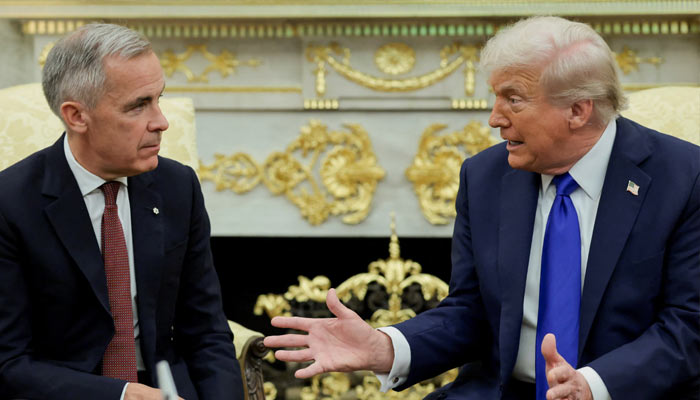
The United States is set to impose 50% tariffs on around US$20 billion worth of Canadian products after last-minute negotiations between the two countries failed to resolve a fresh trade dispute.
The new duties, scheduled to take effect early Saturday local time, will cover roughly 5% of Canada’s annual exports to the US. A range of products, including hockey sticks and tongue depressors, are expected to be affected.
US Trade Representative Jamieson Greer said Canada had declined to finalise a trade agreement under terms discussed earlier in the week.
“Tonight, Canada declined to finalize the trade deal under the terms agreed earlier this week,” Greer said in a statement read to reporters shortly before midnight, according to the Associated Press.
He claimed that new demands from Ottawa and changes to earlier commitments had disrupted the balance reached during negotiations.
Carney Calls US Terms Unfair
Canadian Prime Minister Mark Carney criticised the last-minute changes proposed by Washington, calling them “unfair” and “uneconomic”.
Carney also questioned the reliability of reaching an agreement under the revised US terms and said his government would announce additional support for Canadian workers and businesses.
The Canadian prime minister further said Ottawa would respond to the new US tariffs on a dollar-for-dollar basis.
Greer described Washington’s proposal as “forward-looking” and said it offered the prospect of a major economic and national security partnership, although details of how that partnership would work were not immediately clear.
Trade Dispute Deepens Tensions
The tariff dispute comes despite the enormous economic relationship between the two neighbours. The US and Canada exchanged about US$880 billion in goods and services last year.
The tariffs had initially been scheduled to take effect at 12:01 a.m. Wednesday. US President Donald Trump extended the deadline by three days to allow negotiators more time to reach an agreement, but the talks ended without a deal.
The two countries have long disagreed over issues such as Canadian softwood lumber exports and US access to Canada’s protected dairy market. Nevertheless, they have traditionally maintained close economic, political and security ties.
Canadian forces also fought alongside the US in Afghanistan following the September 11 attacks. Their 5,525-mile border remains largely undefended, with roughly 330,000 people and US$2 billion worth of goods crossing it each day.
Canadian Opposition To Trump Grows
Trump’s approach towards Canada has marked a sharp departure from the historically close relationship between the two countries.
His administration has used tariffs as part of a broader effort to encourage manufacturing in the US. Trump has also repeatedly suggested that Canada could become America’s 51st state, remarks that have generated strong opposition in Canada.
Public anger has intensified further. A petition seeking the removal of US Ambassador Pete Hoekstra had reportedly gathered nearly 248,000 signatures since July 21. The petition accuses Hoekstra of helping normalise Trump’s comments about annexing Canada.
Tariffs Carry Risks For Both Sides
Canada remains heavily dependent on the US market, with nearly 72% of its goods exports heading south of the border last year.
However, higher tariffs could also create political and economic challenges for Washington. US importers pay the duties and may pass additional costs on to consumers, potentially increasing prices at a time when cost-of-living concerns remain a major political issue ahead of the November midterm elections.
The collapse of the latest negotiations therefore threatens to deepen tensions between two of America’s closest trading partners, with both sides now preparing for the economic impact of the new tariffs.
Comments are closed.