
Why the latest sleep trends prove one thing: we’re more tired than ever

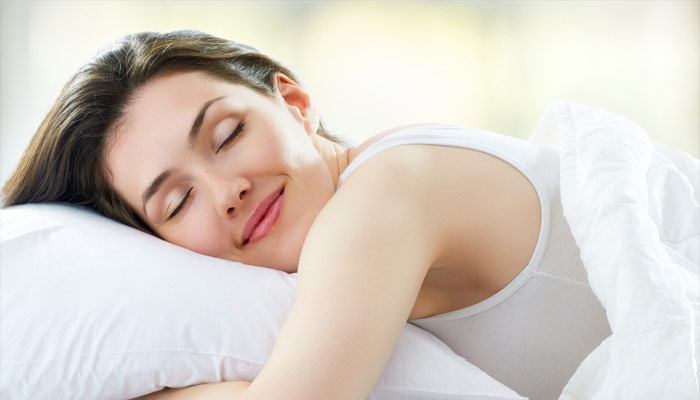
The internet’s obsession with sleep — from “potato beds” and mouth taping to “sleepy girl mocktails” — says more about our exhaustion than our curiosity. Behind every trending hack is the same story: a generation struggling to rest.
A culture of DIY sleep
The rituals sound soothing — herbal teas, pink noise, dim lighting, melatonin skincare, even a plush “potato bed.” Each fad promises a calm night’s sleep. TikTok’s latest “sleepmaxxing” craze, like its predecessors, reflects a growing desperation to outsmart insomnia.
But sleep, doctors say, can’t be hacked. These viral trends aren’t quirky lifestyle choices — they’re symptoms of a collective burnout.
“People are turning to sleep gimmicks because they’re chronically tired but don’t want to change how they live,” says Dr. Bipan Kumar Sharma, consultant neurologist at Kailash Deepak Hospital, Delhi. “Instead of reworking lifestyle habits — diet, screen use, stress — they’re looking for quick fixes.”
Why we’re so tired
India, like much of the world, is sleep-deprived. A recent study found that 61% of Indians get less than six hours of uninterrupted sleep each night, and nearly a third suffer from dyssomnia, a term for chronic sleep difficulties.
Dr. Sharma recalls a patient who developed daily migraines after months of night shifts. “Once her sleep improved, her headaches stopped — without medication. Sleep is medicine in itself.”
And it’s not just adults. Children’s sleep patterns are under stress too. “Screens have become part of bedtime,” says Dr. Puja Kapoor, paediatric neurologist and co-founder of Continua Kids. “Blue light from devices suppresses melatonin, the hormone that helps us fall asleep.”
She recounts the case of a three-year-old on the autism spectrum who couldn’t fall asleep for hours. “After introducing melatonin syrup for a short period, his natural sleep cycle restored within weeks,” she says. “But many kids don’t even reach a diagnosis — they just stay wired.”
The cost of chronic sleeplessness
Lack of proper rest disrupts circadian rhythm, heightens stress hormones, and increases the risk of depression, obesity, diabetes, and cardiovascular diseases. Psychologist Dr. Rituparna Ghosh from Apollo Hospitals, Navi Mumbai, warns that sleep deprivation is fast becoming a public health crisis.
“People say they’re sleepy but can’t switch off,” she says. “Hustle culture glorifies late nights and constant connectivity. If this continues, future generations will face even worse sleep health.”
More screens, less sleep
The post-pandemic era blurred boundaries between work and rest. Remote jobs, binge-watching, and doom-scrolling have replaced winding down. We’ve turned “bedtime” into another screen-time window.
“Digital exposure and irregular routines are affecting kids as young as six,” says Dr. Kapoor. “Sleep issues used to be adult problems — not anymore.”
Before you snooze
Experts agree that healthy sleep isn’t a luxury — it’s a biological necessity. The human body needs 7–8 hours of uninterrupted rest to restore brain and body function. Herbal teas and white noise may help, but they can’t replace genuine rest.
In a culture that equates exhaustion with productivity, perhaps it’s time to flip the script. Sleep isn’t laziness — it’s the foundation for health, focus, and emotional balance.
The truth behind all these viral sleep trends is simple: we’re not chasing better rest — we’re chasing relief from a world that won’t let us rest at all.
Comments are closed.