
Winter Wildlife Escapes: 5 Indian Destinations to Spot Tigers, Leopards and Rhinos

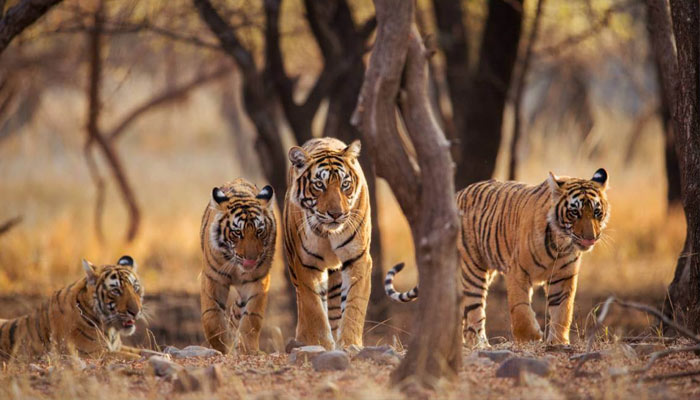
5 Must-Visit Wildlife Destinations in India for an Exciting Winter Safari
Winter is an ideal time to explore India’s rich wildlife and natural landscapes. With cooler temperatures and thinning vegetation in many forest areas, visitors may have better opportunities to spot animals around water sources, grasslands and forest trails. The season also makes long safari rides more comfortable for nature lovers and wildlife photographers.
From the famous tiger reserves of Madhya Pradesh to Rajasthan’s leopard habitats, India is home to several spectacular destinations where visitors can experience wildlife in its natural surroundings. Tigers, leopards, rhinoceroses and numerous other species make these forests attractive winter getaways.
Although wildlife sightings depend on animal movement, weather and habitat conditions, winter offers an excellent opportunity to discover India’s biodiversity.
Here are five wildlife destinations that deserve a place on your winter safari itinerary.
1. Ranthambore National Park, Rajasthan
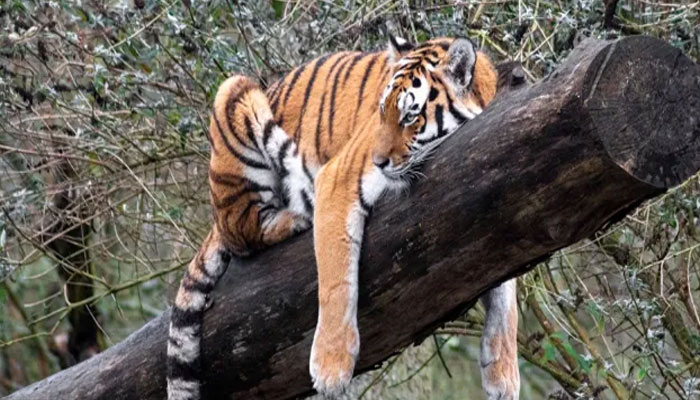
Best for: Bengal tigers, leopards and wildlife photography.
Located in Rajasthan, Ranthambore National Park is one of India’s most renowned wildlife destinations and a favourite among tiger enthusiasts. Its landscape features dry deciduous forests, rugged hills, picturesque lakes and historic ruins, creating a distinctive setting for wildlife exploration.
The park is particularly famous for its Royal Bengal Tigers, which are among its biggest attractions. Safari visitors can also spot leopards, sloth bears, sambar deer, crocodiles and a wide variety of resident and migratory birds. Its diverse terrain and opportunities to photograph wildlife make Ranthambore an excellent choice for a winter safari.
2. Jim Corbett National Park, Uttarakhand
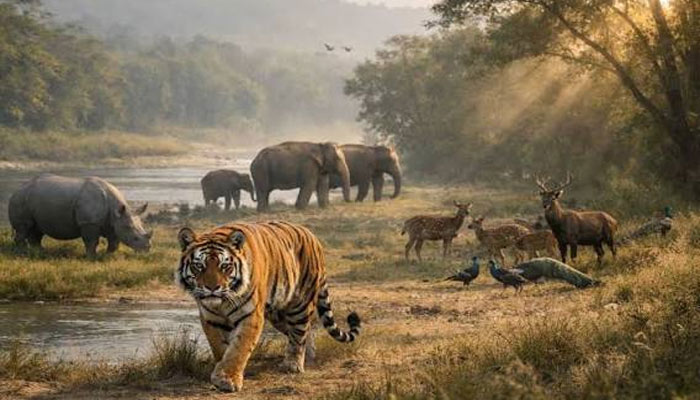
Best for: Tigers, elephants and migratory birds.
Located in Uttarakhand, Jim Corbett National Park is India’s oldest national park and a popular destination for wildlife lovers. Its varied terrain includes dense sal forests, open grasslands, riverbeds and scenic mountainous surroundings, providing a habitat for several fascinating species.
The park is home to Bengal tigers, Asian elephants, leopards, deer and hundreds of bird species. Winter is especially attractive for birdwatching, as several migratory species visit the region. The Ramganga River and its surrounding wilderness also offer excellent opportunities for nature and wildlife photography.
Travel tip: Check safari availability and operating schedules for popular zones, including Bijrani, Jhirna, Dhela and Dhikala, before making travel arrangements.
3. Kaziranga National Park, Assam
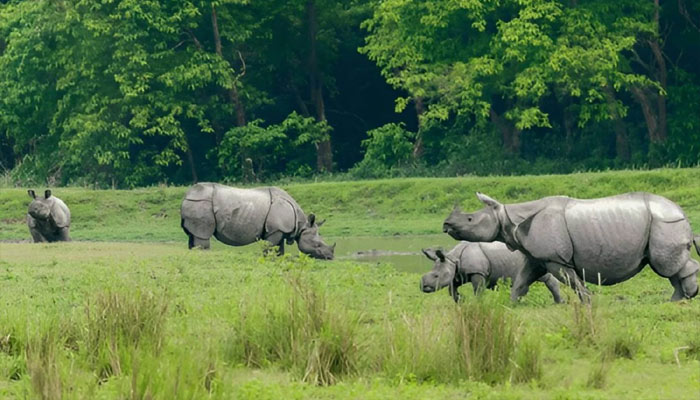
Best for: One-horned rhinoceroses, elephants and birdwatching.
Kaziranga National Park in Assam is a UNESCO World Heritage Site renowned for its significant population of greater one-horned rhinoceroses. Its expansive grasslands, marshes, wetlands and riverine forests provide a rich habitat for a wide range of wildlife.
Apart from its iconic rhinoceroses, the park is home to Asian elephants, swamp deer, wild water buffalo and Bengal tigers. Its diverse birdlife also makes it an attractive destination for birdwatchers and nature enthusiasts. A winter safari through Kaziranga offers visitors an opportunity to explore its distinctive landscape and observe some of India’s most remarkable wildlife.
The period from November to February is particularly suitable for visiting Kaziranga, thanks to its relatively comfortable weather and the arrival of migratory birds. Visitors can enjoy the park’s varied landscapes while exploring its rich wildlife.
Travel tip: Plan multiple safari trips to discover different sections of the park and increase your chances of spotting wildlife. Jeep safaris and other activities are subject to seasonal regulations and availability.
4. Jawai, Rajasthan
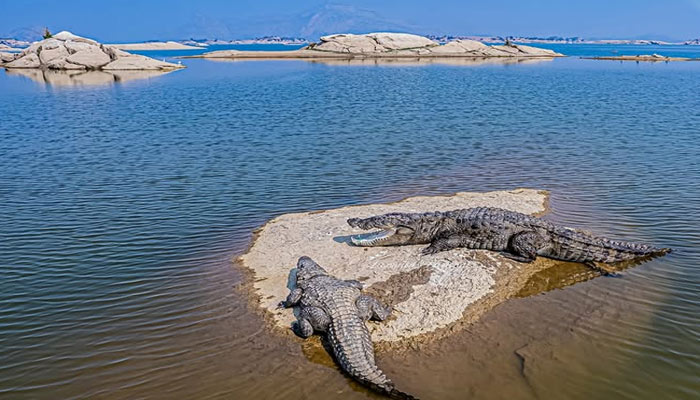
Best for: Leopard sightings and dramatic rocky landscapes.
Jawai in Rajasthan is an appealing destination for wildlife enthusiasts looking to experience leopard habitats beyond the country’s famous tiger reserves. The region is characterised by striking granite hills, natural caves, reservoirs and rugged terrain that provide an ideal environment for these elusive big cats.
What makes Jawai particularly special is the remarkable coexistence of leopards and the local Rabari pastoral community. Leopards are frequently spotted resting around rocky hills and caves, offering visitors exciting opportunities to observe and photograph them in their natural habitat.
Travel tip: October to April is generally considered a suitable period to explore Jawai. Opt for guided excursions with experienced local safari operators who understand the terrain and wildlife movement.
5. Pench National Park, Madhya Pradesh and Maharashtra
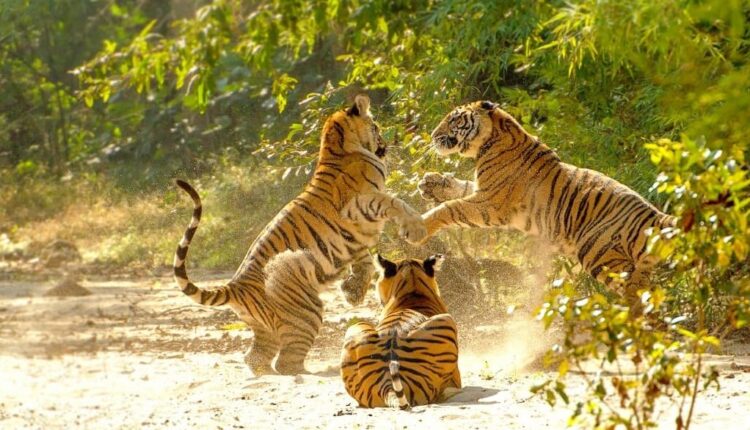
Located across Madhya Pradesh and Maharashtra, Pench National Park is celebrated for its beautiful forest landscapes, expansive grasslands and rich biodiversity. The reserve provides a natural habitat for Bengal tigers, leopards, Indian wild dogs, sloth bears and several species of deer.
Pench is also famous for its association with the landscapes that inspired Rudyard Kipling’s celebrated novel The Jungle Book. Its dense forests and scenic surroundings offer an exciting experience for wildlife enthusiasts. The months from November to February are particularly appealing, with pleasant weather and opportunities to explore the forest during the winter season.
Travel tip: Turia, Karmajhiri and Jamtara are among Pench’s recognised entry gates. Check the safari zone and entry arrangements on the Madhya Pradesh or Maharashtra side before booking your accommodation.
Essential Tips for Planning a Winter Wildlife Safari
A little preparation can make your wildlife holiday more comfortable and enjoyable. Keep these points in mind before heading into the forest:
Book early: Reserve safari permits and accommodation well in advance, especially for the busy December-January holiday season.
Dress warmly: Carry jackets, gloves and warm layers for chilly early-morning safari rides.
Bring photography gear: Binoculars and a camera with a good zoom lens can help you observe and capture wildlife from a safe distance.
Follow safari guidelines: Listen to your naturalist and maintain silence when animals are nearby.
Respect wildlife: Never feed animals, disturb their natural behaviour or try to attract them for photographs.
Check travel updates: Confirm safari timings, seasonal closures, entry permits and park regulations before departure.
India’s wildlife reserves offer much more than opportunities to spot big cats and other animals. From the rocky leopard habitats of Jawai to the grasslands of Kaziranga, each destination provides a unique glimpse into the country’s natural heritage. Winter is a wonderful opportunity to experience these landscapes while enjoying the thrill of exploring wildlife in its natural surroundings.
Comments are closed.