
17 Global Health Threats Identified by Lancet as Governments Face Call to Act

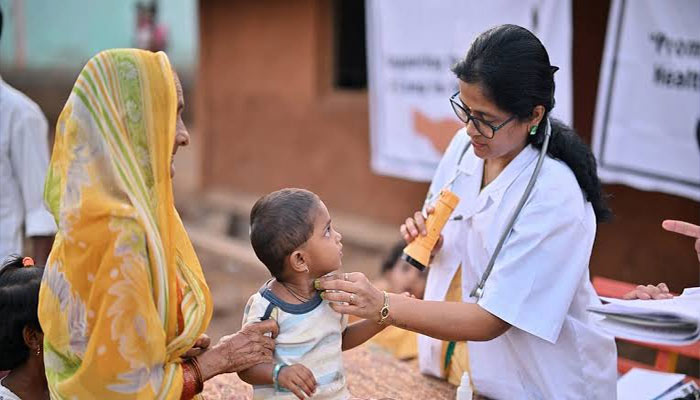
Lancet Warns of 17 Major Global Health Threats, From Climate Change to Nuclear War and AI Risks
Climate change, drug-resistant infections, pandemics and obesity are among the growing challenges threatening human health worldwide. However, a new report published in The Lancet warns that the risks extend far beyond conventional public health concerns, with nuclear conflict and the malicious use of artificial intelligence (AI) also posing potentially catastrophic dangers.
The Lancet Commission on 21st Century Global Threats to Health has identified 17 major threats that could undermine human health and survival between 2025 and 2100. Without timely intervention, these challenges could result in enormous losses of healthy life by the end of the century.
The assessment draws on evidence from 204 countries and territories, examining how government policies, financial investments and technological advances could help reduce the potential impact of these threats.
The findings are particularly relevant to India, where air pollution, childhood malnutrition, high blood pressure and infectious diseases continue to place a substantial burden on public health.
Professor Christopher JL Murray, co-chair of the Commission and director of the Institute for Health Metrics and Evaluation at the University of Washington, said the scale of the threats was concerning, but governments still had the opportunity to prevent significant harm.
“The striking finding is not only the scale of these threats, but that humanity still has the agency to act,” Murray said. He added that decisions taken by leaders today would influence the health and well-being of future generations, while delays could increase the costs of addressing these challenges.
What Are the 17 Global Health Threats Identified by The Lancet?
After assessing hundreds of potential dangers, the Commission identified 17 threats that could cause catastrophic health losses but whose impact could be reduced through policy changes, investment and innovation.
The threats include:
- Malicious use of artificial intelligence: AI could be exploited to cause harm, including potentially assisting in the development of biological weapons.
- Nuclear conflict: Nuclear warfare could cause mass casualties, disrupt food production and threaten human survival.
- Air pollution: Polluted air increases the risk of respiratory illnesses, cardiovascular diseases and premature death.
- Antimicrobial resistance (AMR): Drug-resistant infections can make common illnesses increasingly difficult to treat.
- Childhood malnutrition: Inadequate nutrition can impair children’s physical growth, brain development and long-term health.
- Climate change: Rising temperatures and extreme weather events threaten health, food security and living conditions.
- Conventional conflict: Wars cause deaths and injuries, displace communities and disrupt access to medical care.
- Declining international health aid: Reduced funding can weaken healthcare services, disease surveillance and prevention programmes.
- High alcohol consumption: Harmful drinking increases the risk of multiple diseases and premature mortality.
- High blood pressure: Uncontrolled hypertension raises the likelihood of heart attacks, strokes and other cardiovascular complications.
- Income inequality: Unequal access to resources and essential services can widen health disparities.
- Low educational attainment: Limited educational opportunities can affect health awareness, employment prospects and access to information.
- Naturally occurring pandemics: Emerging infectious diseases can spread internationally and overwhelm healthcare systems.
- Obesity: Excess body weight increases the risk of diabetes, heart disease and other chronic conditions.
- Poor mental health: Mental health conditions can affect daily functioning, quality of life and overall well-being.
- Smoking: Tobacco consumption remains a major contributor to preventable illness and premature death.
- Unhealthy ageing: Age-related health problems can increase the need for medical treatment, rehabilitation and long-term care.
The Commission classifies these issues as catastrophic threats because of their potential scale and the possibility of reducing their consequences through timely action.
Why Are the 17 Threats Interconnected?
The report stresses that these risks cannot be tackled effectively in isolation. Several threats can reinforce one another, creating a chain of consequences that makes the overall impact on public health more severe.
Murray noted that some threats are already responsible for substantial health losses, while others could have devastating consequences if they materialise.
“Crucially, all 17 threats are interconnected, which is why they must be addressed together, not in isolation,” he said.
Climate change, for instance, can intensify heat-related illnesses, worsen food insecurity and disrupt essential services. These effects may disproportionately affect vulnerable populations and deepen existing inequalities.
Armed conflicts can destroy hospitals, interrupt vaccination campaigns and limit access to medicines. Poverty and inadequate education can further prevent people from obtaining timely healthcare or understanding potential health risks.
Antimicrobial resistance presents another serious challenge. As medicines become less effective against certain infections, routine treatments and medical procedures could become riskier, placing additional pressure on healthcare systems.
The report also highlights the potential long-term consequences of climate change. Limiting global warming to approximately 1.8 degrees Celsius, rather than allowing temperatures to rise to 4.4 degrees Celsius, could prevent an estimated 1.89 billion years of healthy life from being lost by 2100.
Nuclear conflict and the deliberate misuse of AI are also highlighted as major concerns because of the potentially enormous consequences they could have, even though their likelihood remains uncertain.
What Actions Does the Commission Recommend?
To reduce the impact of these threats, the Commission proposes three broad priorities: building preparedness, investing in breakthroughs and monitoring emerging risks.
1. Build readiness
Governments should strengthen healthcare systems and emergency response mechanisms to identify threats early, prevent avoidable harm and respond effectively when crises occur. Better surveillance and coordinated planning can help limit the spread and impact of health emergencies.
2. Back breakthroughs
Greater investment is needed in vaccines, antibiotics, obesity treatments and climate-related technologies. The Commission also emphasises the importance of safeguards to prevent new technologies from creating additional dangers and ensuring that innovations benefit the populations that need them most.
3. Track threats
Governments should regularly monitor emerging risks and use reliable data to identify changing trends. Continuous assessment can help policymakers anticipate future challenges and take preventive action rather than waiting for a crisis to unfold.
How Could the Global Health Threats Affect India?
For India, the findings underline the importance of addressing existing public health challenges while preparing for emerging global risks.
Air pollution, childhood malnutrition, obesity, hypertension and mental health concerns require sustained attention. Climate change could aggravate these problems through extreme heat, disruptions to food supplies and interruptions to essential services.
India also faces the need to strengthen infectious disease surveillance, promote responsible antibiotic use and improve preparedness for future outbreaks. At the same time, reducing health inequalities and expanding access to education and healthcare could help protect vulnerable communities.
The report’s central message is that governments have an opportunity to reduce future health losses through coordinated action. Tackling the 17 threats will require sustained investment, stronger institutions, scientific innovation and international cooperation.
Decisions made over the coming years could play a critical role in determining how effectively countries protect public health and safeguard future generations against risks that extend well beyond the healthcare sector.
Comments are closed.