
Meerut Blue Drum Murder Case: From 1,000-Page Chargesheet to Death Sentence for Muskan and Sahil

Meerut Blue Drum Murder Case: From Saurabh Rajput’s Killing to Death Sentence for Muskan and Sahil
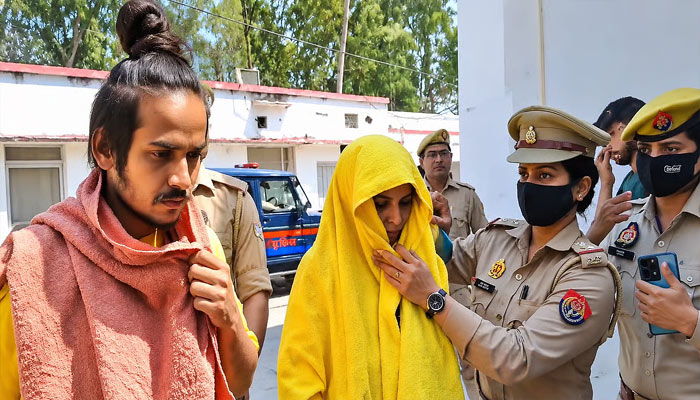
The Meerut blue drum murder case reached a crucial stage on October 14, 2026, when a district court sentenced Muskan Rastogi and Sahil Shukla to death for the murder of Saurabh Rajput, Muskan’s husband and a former Merchant Navy officer. The sentencing came two weeks after District and Sessions Judge Arvind Kumar Mishra convicted the duo on September 30, following a trial that lasted around 13 months.
The case came to light in March 2025, when Saurabh’s remains were discovered inside a sealed blue drum filled with cement at a residence in Meerut’s Indra Nagar area. The shocking discovery triggered an investigation that culminated in a chargesheet of nearly 1,000 pages, testimony from more than 22 witnesses and 126 court hearings.
Here is a timeline of the major developments, from Saurabh’s return from London to the court’s verdict.
How the Murder Unfolded
February 24–25, 2025: Saurabh Returns to Meerut
Saurabh Rajput returned to Meerut from London on February 24. The following day, the family celebrated Muskan’s birthday.
March 3–4, 2025: Murder and Concealment of the Body
According to the prosecution, Muskan sedated Saurabh through his food before Sahil arrived. The two allegedly stabbed him to death, dismembered his body and concealed the remains inside a blue drum sealed with cement.
Mid-March 2025: Suspicions Arise
Muskan allegedly disclosed details of the killing to relatives. After suspicions emerged, family members approached the authorities, prompting further action in the case.
March 17, 2025: Remains Recovered From the Blue Drum
Police and relatives opened the sealed drum at the Indra Nagar residence and recovered Saurabh’s remains. The discovery brought the alleged murder to light and led to a criminal investigation.
March 18, 2025: Muskan and Sahil Arrested
Police arrested Muskan Rastogi and Sahil Shukla in connection with Saurabh’s murder.
March 19, 2025: Judicial Custody
A court remanded both accused to 14 days of judicial custody as the investigation continued.
Nearly 1,000-Page Chargesheet and Trial
May 12, 2025: Police File Chargesheet
Investigators submitted a chargesheet spanning nearly 1,000 pages. The document included around 34 witness statements and details of the evidence collected against the accused.
July 2025: Trial Begins
The trial commenced in the Meerut district court, with the prosecution presenting its case and witnesses appearing before the judge. Proceedings continued over the following months.
The case eventually involved 126 hearings and testimony from more than 22 witnesses before the court reached its decision.
Court Convicts Muskan Rastogi and Sahil Shukla
September 30, 2026: Conviction Announced
District and Sessions Judge Arvind Kumar Mishra convicted Muskan and Sahil of murder after the approximately 13-month trial. The court reserved its decision on the appropriate punishment for a later date.
October 14, 2026: Both Sentenced to Death
After hearing arguments on sentencing, the court awarded the death penalty to both convicts.
The prosecution sought capital punishment, describing the murder as premeditated and exceptionally brutal. Saurabh’s family also demanded the death penalty.
The defence sought a lesser sentence, citing the circumstances of the convicts’ families, including the age of their parents, and requesting the minimum possible punishment.
What Happens After the Death Sentence?
The death sentence imposed by the Meerut court is not automatically final. Under the prescribed legal process, the sentence must be submitted to the Allahabad High Court for confirmation.
Muskan and Sahil can challenge their convictions and sentences through appeals before the appropriate higher courts, including the Supreme Court, subject to the applicable procedures. They may also pursue review and mercy petitions where legally available.
The October 14 verdict marks a significant stage in the case, but the judicial process will continue until the prescribed appeals and confirmation proceedings are completed.
Comments are closed.