
Saudi Crown Prince Rejects Netanyahu’s Bid to Join War Against Houthis, Citing Public Backlash

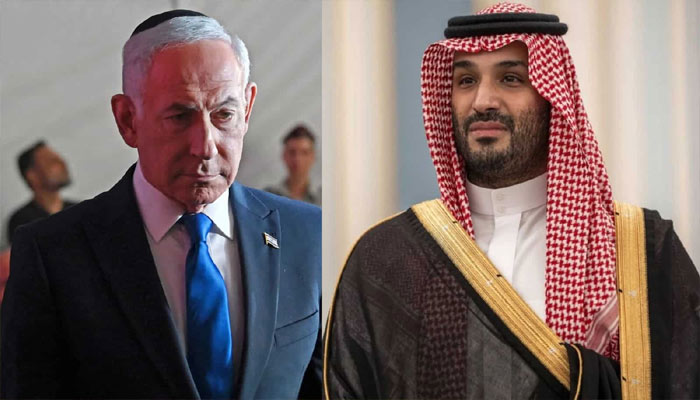
Why Saudi Crown Prince Mohammed bin Salman Rejected Netanyahu’s Plan for Joint Action Against Houthis
Saudi Crown Prince Mohammed bin Salman has reportedly rejected Israeli Prime Minister Benjamin Netanyahu’s proposal for direct Israeli participation in the Saudi-led campaign against Yemen’s Houthi movement, citing concerns over public opinion, regional stability and Saudi Arabia’s diplomatic priorities.
According to an October 2026 report by Israeli newspaper Haaretz, Netanyahu used US diplomatic mediation to propose Israeli military involvement against the Iran-aligned Houthis. The reported proposal sought to bring Israel and Saudi Arabia closer through cooperation against a common security threat.
However, Riyadh’s reluctance highlights the political sensitivities surrounding any open partnership with Israel, particularly amid widespread anger across the Arab and Islamic world over the war in Gaza.
What Was Netanyahu’s Plan for a ‘Backdoor’ Alliance?
Netanyahu’s reported proposal sought to use the shared threat posed by the Houthis to encourage closer security cooperation between Israel and Saudi Arabia, potentially creating a pathway towards broader diplomatic engagement.
Three strategic objectives underpin this approach.
1. Building Cooperation Through a Common Security Threat
Netanyahu reportedly sought to use the Houthis as a common adversary to establish practical military cooperation between Israel and Saudi Arabia. Such an arrangement could have brought the two countries closer on security matters even without a formal agreement to normalise relations.
2. Advancing Normalisation Without Resolving the Palestinian Issue
Saudi Arabia has linked normalisation with Israel to progress towards Palestinian statehood. A security partnership focused on the Houthis could potentially have allowed Netanyahu to pursue closer ties with Riyadh without first making major concessions on Gaza or the West Bank.
3. Strengthening a Regional Front Against Iran
Closer military coordination between Israel and Saudi Arabia could have strengthened a US-backed regional alignment aimed at countering Iran and groups supported by Tehran, including the Houthis.
Such an arrangement, however, would face significant political and diplomatic obstacles, particularly given Saudi Arabia’s position on Palestinian statehood and its efforts to reduce regional tensions.
Why Mohammed bin Salman Rejected the Proposal
The reported rejection reflects the difficult balance Saudi Arabia faces between its security interests, domestic public opinion and regional diplomatic ambitions.
Public Opinion and Political Legitimacy
The war in Gaza has generated widespread anger across Arab and Muslim-majority countries. An overt military partnership with Israel could expose the Saudi leadership to significant public criticism, particularly given Saudi Arabia’s religious significance as home to Islam’s two holiest sites, Mecca and Medina.
For Riyadh, the political costs of such cooperation could outweigh its immediate military advantages.
Normalisation Remains a Major Diplomatic Bargaining Chip
Saudi Arabia’s willingness to establish formal relations with Israel represents an important diplomatic lever. By withholding normalisation, Riyadh retains the ability to seek concessions on Palestinian statehood and other strategic priorities.
Accepting military cooperation without securing meaningful progress on these issues could weaken Saudi Arabia’s negotiating position.
Avoiding a Wider Conflict in Yemen
Saudi Arabia has spent years seeking to reduce its military involvement in Yemen after a costly intervention that began in 2015. Its diplomatic engagement with Iran, restored through a China-brokered agreement in 2023, also reflected efforts to reduce regional tensions.
Direct Israeli involvement in the conflict could undermine those efforts and increase the risk of retaliatory Houthi attacks against Saudi territory, infrastructure and economic interests.
For a kingdom pursuing economic diversification under Vision 2030, prolonged regional instability would pose an additional challenge.
What Does the Rejection Mean for Middle East Politics?
The reported decision carries broader implications for regional diplomacy, although its significance depends on the precise terms of the proposal and the circumstances surrounding its rejection.
The Limits of Normalisation Without Palestinian Progress
The episode underscores the difficulties of pursuing Arab-Israeli normalisation while the Palestinian issue remains unresolved. Saudi Arabia has repeatedly linked normalisation to a credible pathway towards Palestinian statehood, making an agreement without progress on that front politically difficult.
Saudi Arabia Signals Its Strategic Priorities
Riyadh’s approach reflects an effort to balance its security relationships with Washington against its own regional interests. Saudi Arabia has incentives to counter threats from the Houthis and Iran-aligned groups, but it also has reasons to avoid a wider conflict that could undermine regional stability and economic development.
A Diplomatic Challenge for Netanyahu
A Saudi-Israeli agreement would represent a major diplomatic achievement for Netanyahu. If Riyadh remains unwilling to enter an overt military partnership or advance normalisation without progress on Palestinian statehood, Israel’s efforts to establish closer relations with the kingdom will face continued obstacles.
The reported rejection therefore highlights the limits of using shared security concerns to overcome deeper political disagreements.
Ultimately, the issue is not simply whether Israel and Saudi Arabia face common regional threats. It is whether their governments can reconcile those security interests with competing diplomatic objectives, domestic political pressures and the future of the Palestinian question.
Comments are closed.