

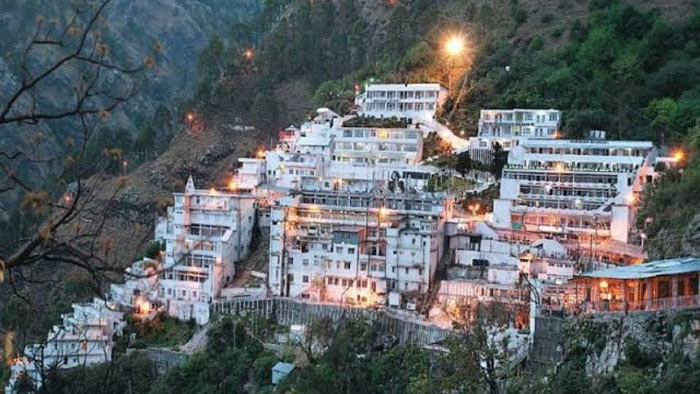
India is home to countless temples devoted to Goddess Durga and her many manifestations.
From ancient Shakti Peethas to hilltop shrines associated with powerful legends, these temples attract devotees throughout the year. Here are six prominent temples where Goddess Durga is worshipped in different forms.
1. Vaishno Devi Temple, Katra, Jammu and Kashmir
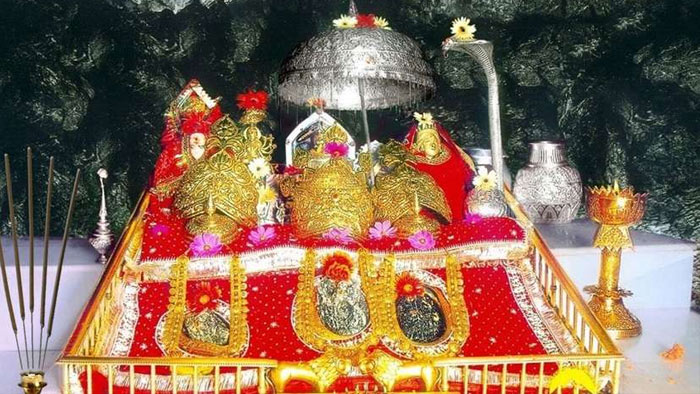
Located in the Trikuta Hills near Katra, the Vaishno Devi shrine is among India’s most revered pilgrimage destinations. According to Hindu tradition, Vaishno Devi was a devotee of Lord Rama who was pursued by the tantric Bhairon Nath.
Legend says that while fleeing from him, the Goddess took refuge in a cave and began meditating. Bhairon Nath followed her there and continued to disturb her. She eventually confronted him and beheaded him.
The sacred cave later became the centre of the pilgrimage. According to tradition, the shrine was discovered by Pandit Sridhar several centuries ago and has since developed into one of India’s most visited religious sites.
2. Durga Temple, Varanasi, Uttar Pradesh
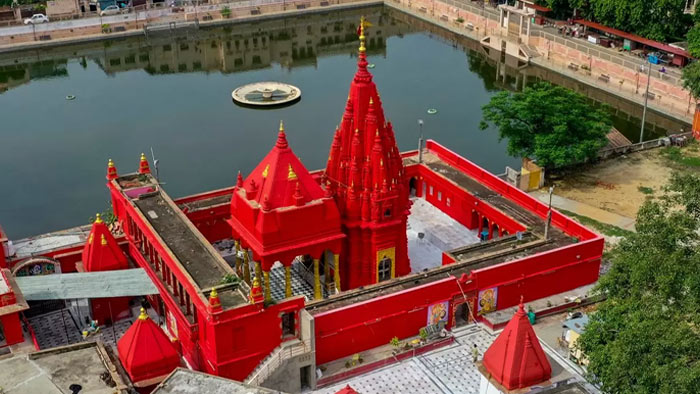
The Durga Temple in Varanasi is believed to have been built in the 18th century and is popularly known for its distinctive red-coloured architecture. The temple is traditionally associated with Rani Bhabani.
The shrine houses a revered image of Goddess Durga and is surrounded by legends connecting the Goddess with the protection of Varanasi. According to local tradition, Durga arrived on a lion and fought powerful adversaries to safeguard the city and its people.
The temple remains an important centre of worship, particularly during festivals dedicated to the Goddess.
3. Kamakhya Temple, Guwahati, Assam
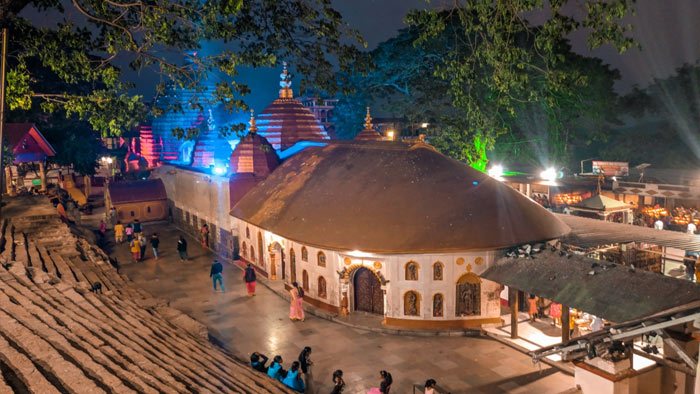
Perched on Nilachal Hill in Guwahati, the Kamakhya Temple is one of India’s most important Shakti Peethas and a major centre of Shakta and Tantric traditions.
Unlike conventional temples, Kamakhya does not have a traditional idol of the Goddess. The sanctum houses a stone representation of the yoni, which is worshipped as a manifestation of the divine feminine.
According to Hindu mythology, the site is associated with the fall of Sati’s yoni after Lord Shiva carried her body. The temple is therefore closely associated with feminine energy, fertility and the creative power of Shakti.
4. Kalkaji Mandir, Delhi
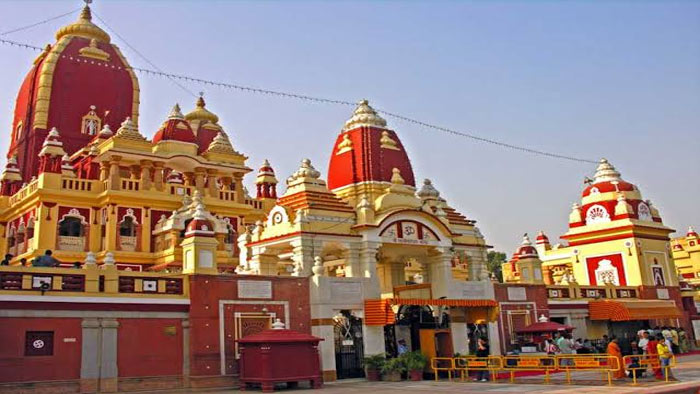
Located near Nehru Place at the foothills of the Aravalli range, Kalkaji Mandir is one of Delhi’s best-known Shakti shrines. The temple is dedicated to Goddess Kalka, a fierce manifestation of the divine feminine.
The shrine is associated with several legends, including stories connected with the Pandavas. Another tradition says that Goddess Parvati manifested Kaushiki Devi to defeat demons who were troubling the gods and people.
The temple attracts large crowds throughout the year, with Navratri being one of the most significant occasions for devotees.
5. Katyayani Temple, Vrindavan, Uttar Pradesh
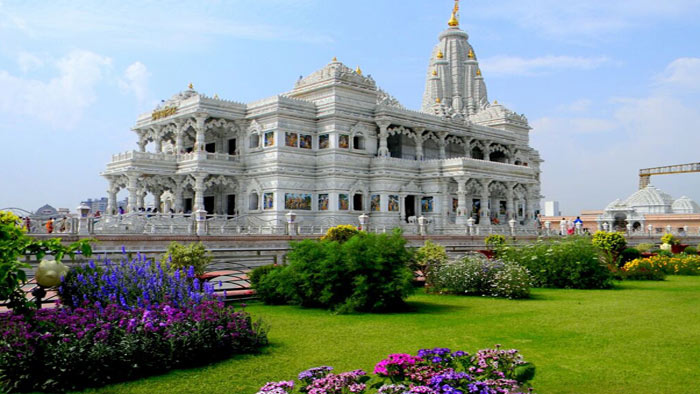
The Katyayani Temple is one of Vrindavan’s prominent shrines dedicated to Goddess Katyayani, a manifestation of Goddess Durga.
According to Hindu tradition, the Gopis of Vrindavan worshipped Katyayani and prayed to her during the period associated with Lord Krishna’s youth. The belief has made the temple an important destination for devotees seeking the Goddess’s blessings.
The shrine’s association with Krishna’s era also gives it a distinctive place among Vrindavan’s many temples.
6. Chamundeshwari Temple, Mysuru, Karnataka
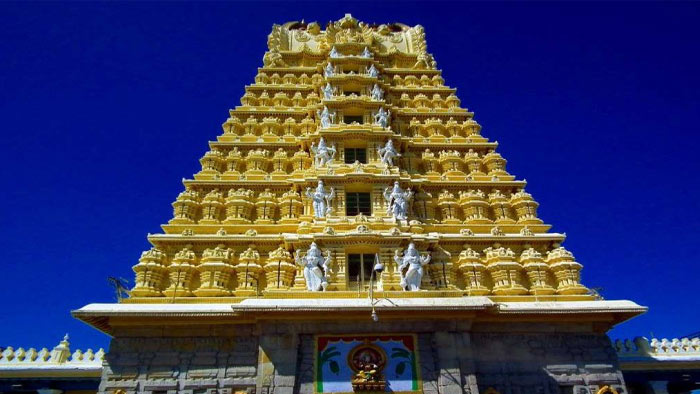
Standing atop the scenic Chamundi Hills, the Chamundeshwari Temple is dedicated to Goddess Chamundeshwari, a fierce manifestation of Goddess Durga.
According to Hindu mythology, the Goddess defeated the buffalo demon Mahishasura, whose name is closely associated with Mysuru’s traditional history. The temple therefore celebrates Durga’s victory over evil.
The shrine has a long association with the Wadiyar dynasty and remains one of Mysuru’s most important religious and cultural landmarks. Its hilltop location also offers sweeping views of the city and surrounding landscape.
Comments are closed.