
Iran, European Powers Hold Istanbul Talks Amid Looming Return of Sanctions Over Nuclear Stalemate

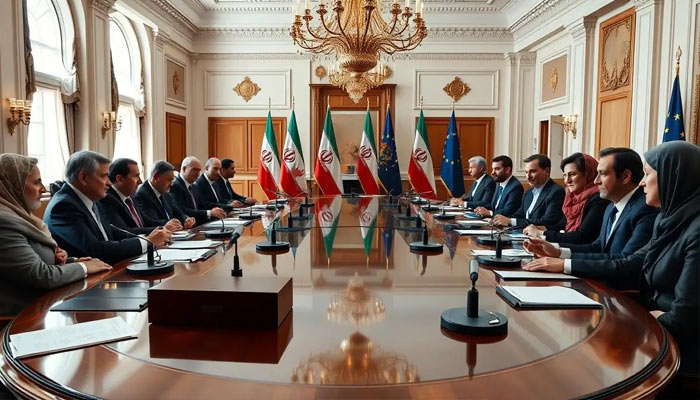
Iran, European Diplomats Meet in Istanbul as Threat of Sanctions Resurfaces Over Nuclear Stalemate.
Iranian and European diplomats are set to meet in Istanbul on Friday in a renewed effort to break the deadlock over Tehran’s nuclear program, as the threat of revived international sanctions looms.
Representatives from Britain, France, and Germany — the so-called E3 — will hold talks at the Iranian consulate, marking the first formal meeting since Iran’s 12-day war with Israel in June. That conflict saw U.S. bombers strike several nuclear-related sites in Iran, sharply escalating tensions.
At the center of the talks is the possible reimposition of sanctions lifted under the 2015 nuclear deal, which placed limits on Iran’s nuclear activities in exchange for relief. The sanctions snapback mechanism, which would restore UN penalties without needing approval from Russia or China, “remains on the table,” according to a European diplomat familiar with the matter.
The diplomat, speaking on condition of anonymity, said a delay in triggering snapback was being offered to Iran on three conditions: credible diplomatic engagement, resumption of full cooperation with the International Atomic Energy Agency (IAEA), and addressing concerns over Iran’s stockpile of highly enriched uranium.
European leaders have signaled that if there is no progress, sanctions could be reinstated by the end of August.
Iran, for its part, says trust must first be rebuilt — particularly with the United States, which withdrew from the deal in 2018 under President Donald Trump.
“Iran has absolutely no trust in the United States,” Deputy Foreign Minister Kazem Gharibabadi said, adding that Iran’s participation in talks hinges on “several key principles,” including the recognition of its right to enrich uranium for peaceful purposes.
In a social media post on Thursday, Gharibabadi warned against using the talks as cover for “hidden agendas such as military action,” and reiterated Iran’s demand for a full lifting of sanctions.
Iran has repeatedly threatened to withdraw from the Nuclear Nonproliferation Treaty (NPT) if snapback sanctions are imposed.
Friday’s talks, to be held at the deputy foreign ministerial level, will include Iran’s Deputy Foreign Minister Majid Takht-e Ravanchi. The identities of the E3 representatives have not been disclosed, but the European Union’s deputy foreign policy chief is expected to attend. A similar meeting was held in Istanbul in May.
The 2015 nuclear agreement, known as the Joint Comprehensive Plan of Action (JCPOA), was signed by Iran, the E3, the U.S., China, and Russia. After the U.S. exit in 2018, Iran steadily ramped up its nuclear activity, claiming the other parties failed to uphold their commitments.
Since last month’s Israeli and U.S. airstrikes — including B-52 bomber raids on three Iranian nuclear facilities — Iranian officials have accused the E3 of double standards. Foreign Minister Abbas Araghchi said the European nations failed to condemn the strikes while insisting Iran abide by the agreement.
The conflict, which included Iranian missile attacks on Israel and a retaliatory strike on a U.S. base in Qatar, has hardened positions on both sides. Yet European officials have expressed hope for a diplomatic resolution, warning that time is running out.
Iran has recently suspended cooperation with the IAEA. The agency reported in May that Iran’s stockpile of uranium enriched to 60% — just below weapons-grade — had surpassed 400 kilograms, deepening Western concerns.
In a televised interview this week, Iranian President Masoud Pezeshkian said Iran is prepared for another conflict if necessary but insisted the nuclear program would continue in accordance with international law. He reaffirmed that Iran has no intention of developing nuclear weapons.
Meanwhile, Iran’s Atomic Energy Organization vowed on Thursday that the country’s nuclear sector would “grow back and thrive again” following the strikes.
Comments are closed.