
Antarctica’s Rapid Shifts: From Melting Sea Ice to Disrupted Ocean Currents

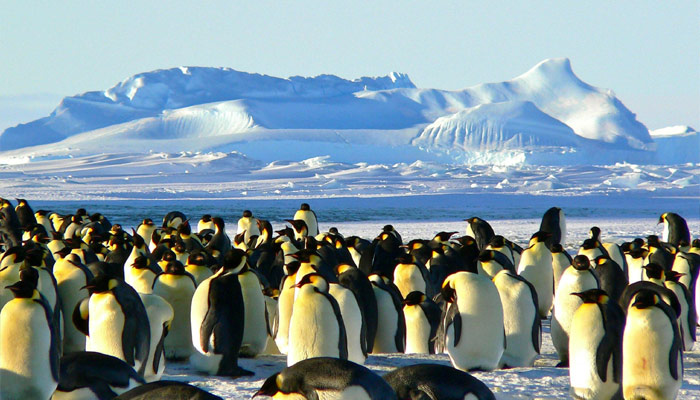
Antarctica Is Changing Faster Than Expected — And The World Will Feel It.
For decades, Antarctica was seen as frozen, remote, and unchanging. Not anymore. The continent and its surrounding Southern Ocean are undergoing abrupt and alarming shifts. Sea ice is vanishing at record speed, floating ice shelves are thinning, vast ice sheets are edging towards collapse, and deep ocean currents are slowing.
New research published today in Nature shows these changes are not gradual—they’re already underway and set to intensify.
What makes these changes abrupt?
Scientists define an “abrupt change” as one that happens far more quickly than expected. In Antarctica, once these processes start, they feed on themselves. For instance, melting sea ice exposes darker ocean water, which absorbs more heat and causes even faster melting. These feedback loops make them hard—sometimes impossible—to reverse.
Sea ice decline with global consequences
Since 2014, Antarctic sea ice has shrunk at double the pace of Arctic sea ice. This has triggered cascading effects: warmer oceans, destabilized ice shelves, and shrinking habitats for species such as emperor penguins. Less reflective ice also means more heat trapped in the climate system.
Slowing ocean currents
Meltwater is disrupting the Antarctic Overturning Circulation—vital deep currents that move oxygen, nutrients, and carbon dioxide around the globe. A slowdown here could happen twice as fast as in the North Atlantic, threatening marine ecosystems and undermining Earth’s ability to regulate its climate.
Melting ice sheets, rising seas
Both West and East Antarctica are now losing ice. The West Antarctic Ice Sheet alone holds enough ice to raise sea levels by more than five metres. Scientists warn it may be approaching a tipping point, with collapse possible even if warming slows. For the 750 million people living in low-lying coastal regions, this represents one of the gravest long-term risks.
Wildlife and ecosystems at risk
From penguins to seals, Antarctica’s unique wildlife is struggling with warming seas, shrinking ice, and invasive species. While protections under the Antarctic Treaty can help, conservation efforts won’t be enough without deep cuts to greenhouse gas emissions.
The road ahead
Antarctica’s transformation is a stark warning. The continent once thought to be timeless is changing much faster than expected, driven by human-caused climate change.
The choice now is clear: slash emissions to limit warming to 1.5°C and prepare for inevitable disruptions—or face a future of cascading, irreversible impacts.
What happens in Antarctica will not stay in Antarctica. Its fate is tied to ours.
Comments are closed.