
Guinea-Bissau Junta Bans All Protests Ahead of ECOWAS Delegation’s Arrival

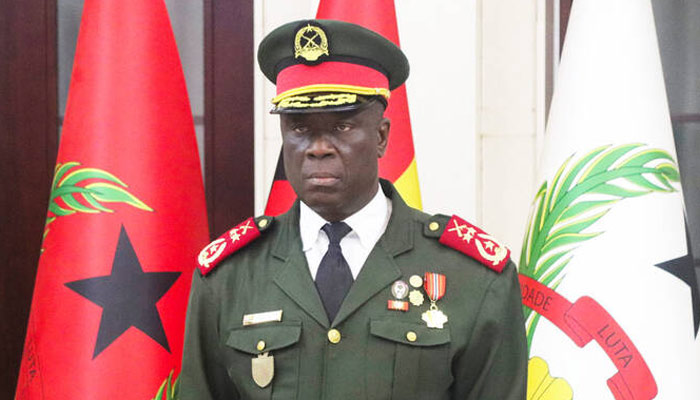
Guinea-Bissau’s military rulers have imposed a nationwide ban on protests and strikes as they tighten their grip ahead of a high-level visit by ECOWAS, which is pushing for a return to constitutional order after last week’s coup.
In a directive issued late Sunday, the junta prohibited all demonstrations, work stoppages and activities deemed a threat to “peace and stability.” The order also instructed ministries, public institutions and state secretariats to reopen and fully resume operations.
The move comes a day after hundreds of protesters — mostly young people — rallied in Bissau, demanding the release of detained opposition figures and the publication of disputed presidential election results.
A mediation mission from the Economic Community of West African States (ECOWAS), led by the presidents of Togo, Cape Verde and Senegal along with the ECOWAS Commission chief, was expected to arrive in the capital on Monday. The delegation aims to press the coup leaders to restore constitutional rule and release the contested election returns.
ECOWAS has warned it may impose sanctions on individuals or groups found responsible for undermining Guinea-Bissau’s electoral process and democratic institutions.
Maj. Gen. Horta Inta-a, installed as interim president by the military, has defended the coup as a necessary intervention to thwart what he described as an attempt by “narcotraffickers” to hijack the country’s democracy. He has pledged a one-year transition period beginning immediately.
The takeover marks yet another episode in Guinea-Bissau’s long and turbulent history of political instability. The country, a key transit point for cocaine smuggling into Europe, has seen repeated military involvement in politics for decades.
Comments are closed.