
Trump Says Iran Deal Could Reopen Hormuz as Tehran Reasserts Control Over Strait

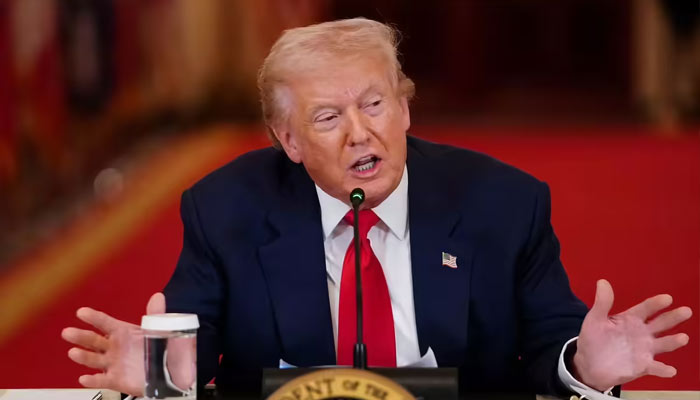
US President Donald Trump has claimed that a broad agreement with Iran has been “largely negotiated” and could include the reopening of the strategically important Strait of Hormuz, even.
As Tehran firmly rejected the assertion and insisted it would retain control over the key waterway. Iran’s semi-official Fars news agency dismissed Trump’s remarks as “incomplete and inconsistent with reality,” saying no such transfer of authority over the strait was part of ongoing discussions.
Trump Signals Major Breakthrough
In a post on his Truth Social platform, Trump said an agreement involving the United States, Iran and several other countries had been largely finalised, pending final approval.
He stated that the deal would include provisions to reopen the Strait of Hormuz, a vital chokepoint through which a significant portion of the world’s oil shipments pass.
Trump also said regional leaders, including those from Saudi Arabia, the United Arab Emirates, Qatar, Egypt, Jordan and Bahrain, participated in discussions on the proposed deal. He added that he had spoken separately with Israeli Prime Minister Benjamin Netanyahu, describing the exchange as positive.
According to Trump, final details of the agreement were still being worked out and would be announced soon.
Iran Pushes Back
Iranian officials, however, quickly rejected the claim that any agreement had been reached on control or governance of the Strait of Hormuz.
Foreign ministry spokesman Esmaeil Baqaei said that while there was some progress in diplomatic engagement, major disagreements still remained between Tehran and Washington.
He stressed that Iran’s nuclear programme and other core issues were yet to be resolved and that any agreement would require further negotiation.
Strait of Hormuz Remains Flashpoint
The Strait of Hormuz, one of the world’s most critical oil transit routes, remains at the centre of geopolitical tensions between Iran and Western powers.
Iranian officials reiterated that the waterway remains under Iranian oversight, directly contradicting suggestions that any external agreement could alter its status.
Regional Diplomacy Intensifies
Iranian Foreign Minister Abbas Araghchi said Tehran continues to engage diplomatically despite what he described as “contradictory positions” from Washington.
He also held discussions with several regional counterparts, including officials from Turkiye, Iraq, Qatar and Oman, as diplomatic efforts to stabilise the region continue.
Qatar’s leadership reportedly held separate conversations with both US and regional leaders aimed at reducing tensions and promoting political dialogue.
Broader Regional Tensions Continue
Despite ongoing talks, violence in the wider region has persisted, including reported Israeli strikes in southern Lebanon and continued exchanges involving Iran-backed groups.
Analysts say the competing claims over the Strait of Hormuz highlight how fragile the diplomatic process remains, even as both sides publicly signal openness to negotiation.
Comments are closed.