
$300 billion investment, Strait of Hormuz reopening key to emerging United States-Iran pact

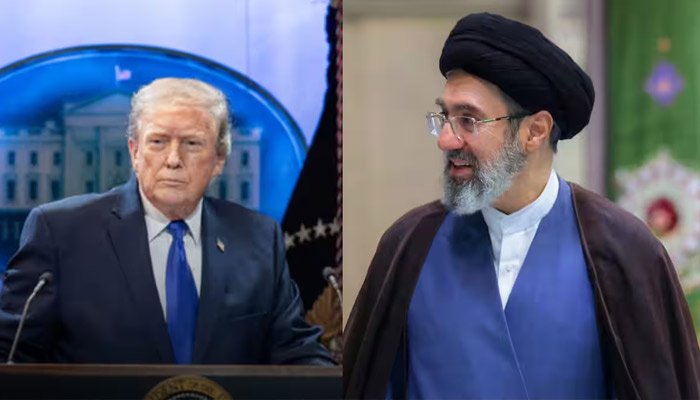
The United States and Iran are reportedly close to finalising a memorandum of understanding (MoU) aimed at extending.
Their fragile ceasefire for 60 days and opening negotiations on Tehran’s nuclear programme, sanctions relief and a broader regional settlement. The proposed framework, which has been under negotiation for weeks through Pakistani and Qatari mediators, is seen as a preliminary step toward a longer-term agreement to end hostilities in the Middle East.
However, the draft agreement has not yet been formally approved. US Vice President JD Vance said the framework still awaited clearance from President Donald Trump. “It’s hard to say exactly when or if the president is going to sign the MOU,” Vance told reporters, adding that negotiators were still discussing “a couple of language points.”
Iran’s Tasnim News Agency also reported that the text was not yet finalised. Iranian officials indicated that any agreement would only be considered official once announced by Tehran.
According to reports by Axios and The New York Times, the proposed deal covers multiple contentious issues, including maritime security, Iran’s nuclear programme, sanctions relief, the conflict in Lebanon and long-term economic investment in Iran.
One major element of the draft agreement relates to the Strait of Hormuz, a key global shipping route through which nearly a fifth of the world’s oil and gas supply passes during peacetime. Under the proposal, Iran would remove naval mines from the strait within 30 days, while commercial shipping would be allowed to move freely without harassment or tolls.
The US, in turn, would gradually ease its naval blockade depending on how quickly commercial traffic returns to pre-war levels. Iranian officials, however, have reportedly interpreted the draft differently, insisting the blockade should be fully lifted within 30 days for the duration of the negotiations.
The proposed agreement also includes commitments regarding Iran’s nuclear programme. Tehran would reportedly pledge not to pursue nuclear weapons, while both sides would begin negotiations over the future of Iran’s enriched uranium stockpile and the broader regulatory framework governing uranium enrichment.
Reports suggest Iran currently possesses around 970 pounds of highly enriched uranium, along with nearly 10 tonnes of lower-enriched nuclear material that negotiators would also need to address.
Another key component of the draft framework involves potential US sanctions relief and the release of frozen Iranian assets. Iran is believed to have approximately $24 billion held in overseas accounts and has sought access to as much as $20 billion of those funds.
The two sides are also expected to discuss mechanisms to facilitate humanitarian assistance and the flow of goods into Iran during the negotiation period.
The agreement reportedly contains provisions linked to the conflict in Lebanon as well, including efforts to end hostilities between Israel and the Iran-backed Hezbollah group. The issue has reportedly caused friction between Trump and Israeli Prime Minister Benjamin Netanyahu amid Israel’s intensified military operations against Hezbollah.
One of the most striking features of the proposed deal is a possible international investment programme for Iran. According to reports, the US would support the creation of a $300 billion reconstruction or investment fund that could be activated if a final agreement is reached.
Iranian officials have reportedly suggested that American energy and oil companies could eventually enter Iran through joint ventures and investment partnerships as part of a broader normalisation process.
Despite progress in negotiations, several major uncertainties remain unresolved. Reports indicate that mediators are still working through differences over the exact wording of the agreement, the timeline for lifting restrictions in the Strait of Hormuz and the extent of commitments regarding the broader regional conflict.
There also appears to be ambiguity over who within Iran’s leadership structure has the final authority to approve the deal, raising questions about how quickly any agreement could move from draft form to implementation.
Comments are closed.