
How Long Do Boiled Eggs Last? Storage Tips to Prevent Food Poisoning

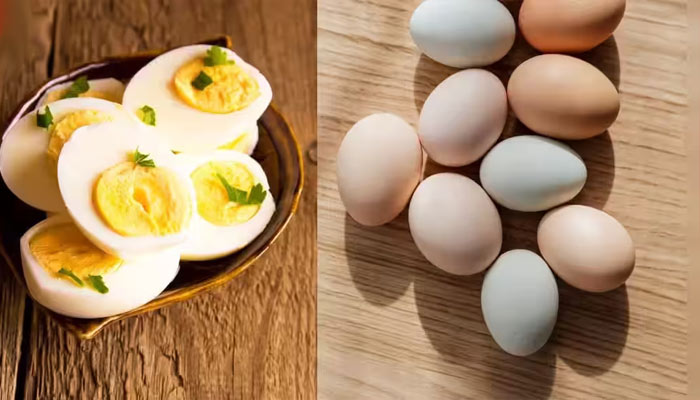
Hard-boiled eggs are an affordable, convenient and nutrient-rich source of protein, making them a popular choice for breakfast, snacks and meal prep.
But improper storage can increase the risk of foodborne illness. Once eggs are cooked, they need to be handled and refrigerated properly to keep them safe to eat.
One of the biggest mistakes is leaving boiled eggs at room temperature for too long. Cooked eggs can support the growth of harmful bacteria, including Salmonella, when kept in the temperature danger zone for extended periods.
For safety, refrigerate hard-boiled eggs within two hours of cooking. If the surrounding temperature is above 32°C, they should be refrigerated within one hour. Avoid leaving cooked eggs on the kitchen counter, dining table or in a lunch bag for prolonged periods.
If you’re preparing eggs in advance, refrigerate them promptly and keep the refrigerator at 4°C or below. Properly refrigerated hard-boiled eggs can generally be kept for up to seven days. Keeping the shells intact until you’re ready to eat them can also help protect the eggs from contamination and prevent them from absorbing other food odours.
Where you store them in the refrigerator matters, too. Keep boiled eggs on an interior shelf rather than in the refrigerator door, where temperatures can fluctuate more frequently as the door is opened and closed.
Before eating, check the eggs for obvious signs of spoilage. If an egg has an unusual appearance, unpleasant odour or a slimy texture, discard it. When in doubt, it is safer not to eat it.
With a few simple precautions—refrigerating eggs promptly, maintaining a consistently cold temperature and consuming them within a week—you can enjoy hard-boiled eggs safely while making the most of their nutritional benefits.
Comments are closed.