
Stop Water Supply From Contaminated Sources, MP High Court Tells Indore Authorities

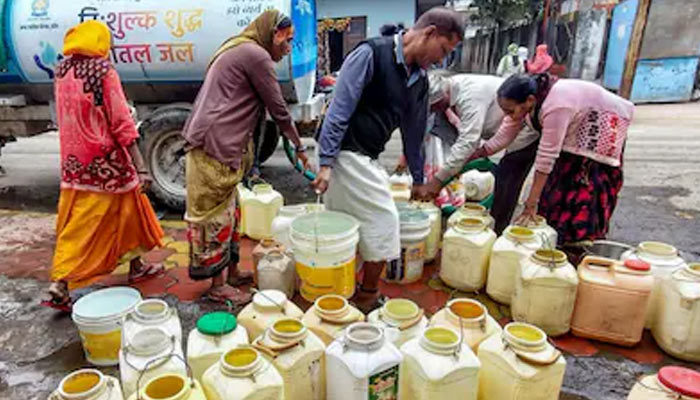
The Madhya Pradesh High Court on Tuesday directed authorities to immediately stop the supply of contaminated water in Indore and take urgent steps to address what it described as a serious public health emergency.
The court’s intervention followed reports that unsafe drinking water had triggered a large-scale outbreak of illness, resulting in eight deaths, including elderly residents. More than 1,100 people were affected, with over 110 hospitalised.
A division bench of Justices Vijay Kumar Shukla and Alok Awasthi noted that the incident had severely dented Indore’s reputation, a city once ranked as the cleanest in the country.
The court recalled that on December 31 it had ordered the Indore Municipal Corporation to ensure the supply of clean drinking water to the Bhagirathpura area and to submit a status report on hospitalisations and treatment provided.
However, during Tuesday’s hearing, counsel for the petitioner submitted that the water supply remained contaminated despite the court’s earlier directions. Residents had flagged concerns well before the outbreak, but authorities failed to take preventive action, according to a report by Live Law.
A senior advocate also pointed out that a freshwater pipeline project notified in 2022 had not been implemented due to delays in fund disbursement. Further, water quality tests conducted by the Madhya Pradesh Pollution Control Board in 2017–18 showed that 59 out of 60 samples collected across the city failed quality standards, yet no corrective steps were taken.
Issuing a series of emergency and preventive directions, the court ordered the immediate supply of safe drinking water through government tankers, stoppage of water from contaminated pipelines, borewells and river sources, and prompt medical treatment for affected residents at government and empanelled private hospitals.
The court also directed comprehensive water quality testing, replacement of old and damaged pipelines, installation of online water monitoring systems, and strict enforcement of chlorination and disinfection protocols.
The Chief Secretary and senior municipal officials were instructed to ensure strict compliance and to appear via video conference at the next hearing to report on measures taken across the state. The matter has been listed for January 15.
Comments are closed.