
Tehran Reports 78 Killed, 320 Above Wounded in New Wave of Israeli Attacks

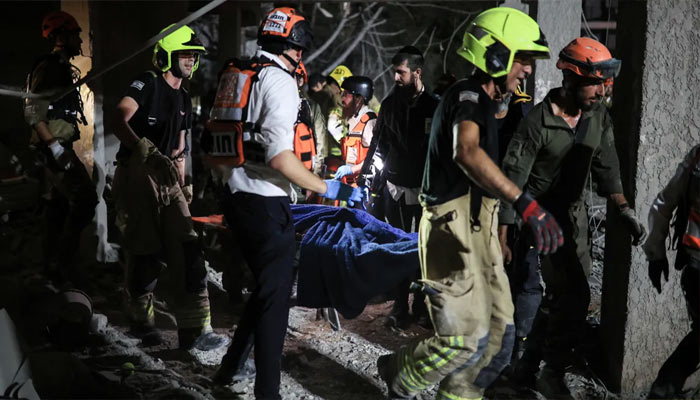
Israel, Iran Exchange Fierce Airstrikes as Death Toll Rises to 78 in Escalating Conflict.
Israel on Friday launched its largest-ever air offensive against Iran, targeting critical nuclear infrastructure, senior military commanders, and key strategic sites across the country. The strikes, which marked a dramatic escalation in tensions, reportedly killed 78 people, mostly civilians, and wounded over 320, according to Iran’s envoy to the United Nations.
In retaliation, Iran responded with “Operation True Promise”, a large-scale missile and drone attack on Israeli cities, including Tel Aviv and Jerusalem. At least one person was killed and 34 others injured in the Iranian strikes, which triggered widespread air raid sirens and panic in central Israel.
Largest Strikes Yet
The first wave of Israeli strikes targeted Tehran’s underground nuclear complex and decimated parts of Iran’s senior military command. Hours later, Israeli missiles struck another nuclear facility in Isfahan, prompting widespread explosions and activating Iranian air defense systems in cities including Tehran, Karaj, and Isfahan, according to Iranian state media.
Retaliation and Second Wave
Iran’s state broadcaster IRIB confirmed that dozens of missiles were intercepted, but many struck civilian areas. In response, Iranian forces launched a second wave of missile attacks early Saturday. Israel, with assistance from the United States, intercepted a significant number of projectiles, according to military officials.
Iranian state media claimed they shot down at least one Israeli fighter jet and captured the pilot—claims Israel has dismissed as propaganda.
Global Concern Over Escalation
Both countries appear prepared for further escalation, as statements from top leadership signaled unwavering stances. Israeli Prime Minister Benjamin Netanyahu defended the attacks, calling them a strike against an “existential threat,” while Iran’s Supreme Leader Ayatollah Ali Khamenei vowed a “bitter fate” for Israel.
Former US President Donald Trump weighed in, warning Iran to back down, saying, “All hardliners are dead now — and it will only get worse.” He claimed Iran had reached out to suggest they still wanted a deal, despite the crisis.
Diplomatic Fallout and UN Emergency Meet
As tensions soar, the UN Security Council is set to hold an emergency meeting at Iran’s request, invoking Article 51 of the UN Charter — the right to self-defense. Iran’s plea has been backed by Russia and China, while Israel maintains that it will continue operations until all threats from Iran are “neutralized.”
Meanwhile, India expressed deep concern and called for de-escalation. Prime Minister Narendra Modi was briefed by Netanyahu in a phone call, part of Israel’s broader diplomatic outreach to world leaders.
Comments are closed.