
UNESCO Adds This Ancient Buddhist Site in India to World Heritage List in 2026

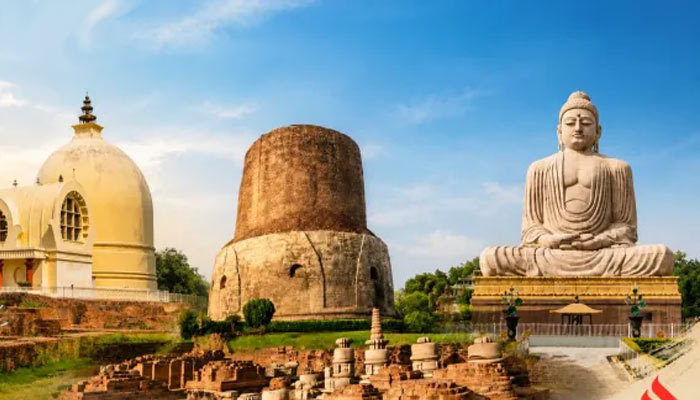
Sarnath Becomes India’s 45th UNESCO World Heritage Site: A Sacred Place Where Buddha First Taught the Dharma
The ancient Buddhist site of Sarnath, located near Varanasi in Uttar Pradesh, has been inscribed on the UNESCO World Heritage List in 2026, becoming India’s 45th World Heritage Site. Revered as the place where Gautama Buddha delivered his first sermon after attaining enlightenment at Bodh Gaya, Sarnath is one of Buddhism’s holiest pilgrimage destinations.
More than 2,500 years ago, Buddha preached the Dhammacakkappavattana Sutta, or the “Turning of the Wheel of Dharma,” to his first five disciples here, marking the beginning of the Buddhist Sangha and laying the foundation of one of the world’s major religions.
Dhamek Stupa: The Heart of Sarnath
Dominating the archaeological complex is the towering Dhamek Stupa, which rises nearly 43 metres high. Originally commissioned by Emperor Ashoka in the 3rd century BCE and expanded over the centuries, the massive structure is believed to mark the exact spot where Buddha delivered his first sermon.
The lower section of the stupa features intricate floral and geometric stone carvings, while its towering brick structure continues to attract pilgrims and visitors from around the world.
Ashoka Pillar and India’s National Emblem
Another landmark at Sarnath is the remains of the Ashoka Pillar, erected around 250 BCE during the reign of Emperor Ashoka. Although the pillar now survives only as a broken shaft, its famous Lion Capital—preserved at the Sarnath Archaeological Museum—was adopted as the National Emblem of India.
The pillar originally carried Ashoka’s edicts promoting peace, compassion and moral governance, reflecting the emperor’s embrace of Buddhist teachings.
Mulagandha Kuti Vihara Keeps Buddhist Traditions Alive
While the archaeological ruins narrate Sarnath’s ancient past, the Mulagandha Kuti Vihara represents its living spiritual heritage.
Built in 1931 by the Mahabodhi Society, the temple is renowned for its colourful murals depicting the life of Buddha, created by Japanese artist Kosetsu Nosu. Even today, monks and pilgrims from across Asia gather here for prayers, chanting and meditation.
Chaukhandi Stupa and the Peaceful Deer Park
Just outside the main complex stands the Chaukhandi Stupa, believed to mark the place where Buddha first met the five disciples who would become his earliest followers.
Surrounding the monuments is the historic Deer Park, where peaceful walking paths, lush greenery and ancient ruins recreate the tranquil setting in which Buddha began spreading his teachings more than 25 centuries ago.
A Global Recognition for India’s Buddhist Heritage
With its inscription on the UNESCO World Heritage List, Sarnath joins the world’s most significant cultural and spiritual landmarks. The site brings together ancient stupas, monasteries, temples and archaeological remains while continuing to function as a vibrant centre of Buddhist worship.
For pilgrims, historians and travellers alike, Sarnath offers a rare opportunity to experience the birthplace of Buddhist teachings and one of India’s most enduring symbols of peace, compassion and spiritual awakening.
Comments are closed.