
Why Is Moringa Called a Superfood? 8 Powerful Health Benefits of Drumstick

Why Moringa Is Considered a Superfood
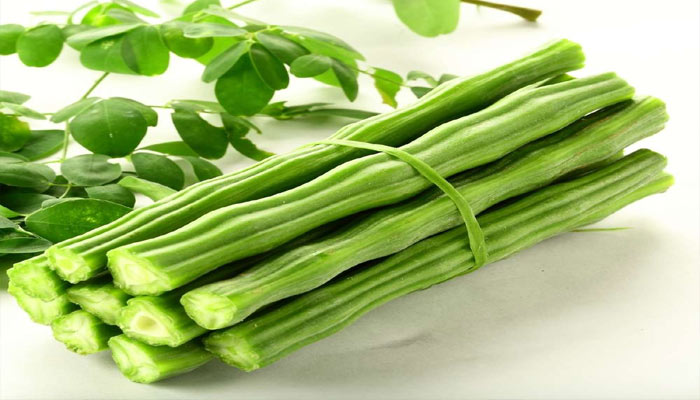
Moringa, commonly known as drumstick, is increasingly being recognised for its impressive nutritional profile. Dr Aastha Mishra, Ayurveda Medical Officer at the Government Ayurveda Dispensary in Bilaspur, Chhattisgarh, says the plant is naturally rich in essential nutrients, including iron, folate, calcium and magnesium, which can contribute to overall health and daily nutritional needs.
Supports Healthy Blood and May Help With Anaemia
Moringa provides dietary iron and folate, two nutrients important for healthy red blood cell formation. Including drumstick pods and leaves in a balanced diet may therefore be beneficial for people dealing with nutritional deficiencies linked to anaemia. However, those with significant anaemia should continue prescribed medical treatment and not rely on dietary changes alone.
Promotes Strong Bones and Joints
The calcium and magnesium present in moringa are important for maintaining bone strength and supporting normal muscle and joint function. In Ayurveda, drumstick leaves and pods are traditionally used as part of dietary approaches aimed at supporting bone health, including in conditions associated with weakened bones.
May Ease Joint Discomfort and Inflammation
Ayurveda describes moringa as having shoolhar (pain-relieving) and shothhar (anti-swelling) properties. Its traditional use includes supporting people experiencing joint discomfort, stiffness and body aches. Regular inclusion in the diet may help support mobility and overall joint comfort.
Supports Digestion
Moringa is also valued in Ayurveda for its deepan-pachan properties, which are associated with supporting digestive function and nutrient absorption. Adding drumstick leaves or pods to meals can be part of a balanced diet aimed at maintaining healthy digestion and reducing problems such as bloating.
Traditionally Used for Respiratory and Metabolic Health
With its characteristically bitter and pungent taste (katu-tikta) and warming nature (ushna virya), moringa is traditionally considered useful for balancing vata and kapha. Ayurveda also associates it with helping clear excess mucus and supporting healthy metabolic circulation.
Rich in Antioxidants
Moringa contains several antioxidant compounds that help counter oxidative stress caused by free radicals. These compounds can support cellular health and the body’s natural defence mechanisms while helping protect tissues from oxidative damage.
Chhattisgarh’s ‘Har Ghar Munga’ Initiative
Recognising the nutritional potential of moringa, Chhattisgarh has promoted its cultivation through the ‘Har Ghar Munga’ campaign, aimed at addressing malnutrition and anaemia. Under the initiative, free moringa saplings were distributed to 7.88 lakh families through 52,553 Anganwadi centres.
In Raipur, Chief Minister Vishnu Deo Sai also led a large-scale plantation drive in which 50,000 moringa saplings were planted in a single day, highlighting the state’s push to make the nutrient-rich plant more accessible at the household level.
Bottom Line
From iron and folate to calcium, magnesium and antioxidants, moringa offers a wide range of nutrients that can complement a healthy diet. Its traditional Ayurvedic uses also make it a popular ingredient for supporting digestion, joint health and overall wellness. However, moringa should be viewed as a nutritional addition rather than a substitute for medical treatment when a diagnosed deficiency or health condition requires care.
Comments are closed.