

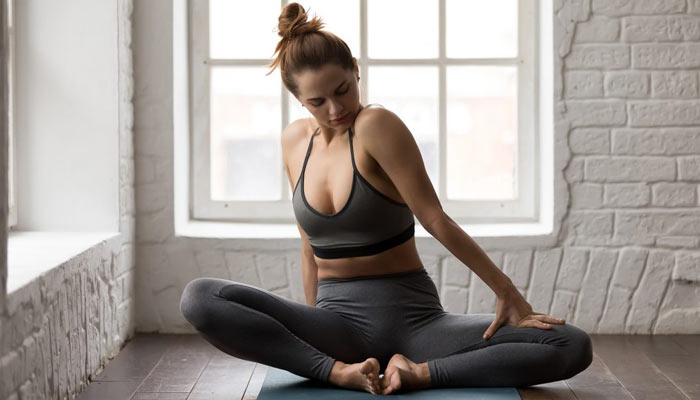
Improve Flexibility Fast with Yoga: A Practical Guide.
Struggling to touch your toes? You’re not alone—but yoga can help you get there faster than you might think. With consistent practice, intentional breathwork, and the right poses, yoga offers a safe and effective way to build flexibility in just a few weeks.
Why Flexibility Matters
Flexibility isn’t just for athletes or dancers—it plays a crucial role in everyday movement. From bending to tie your shoes to reaching a top shelf, flexible muscles and joints make life easier and more comfortable.
Improved flexibility also:
- Eases muscle tension and soreness
- Enhances mental relaxation
- Reduces the risk of injury
- Supports overall strength and mobility
- Increases efficiency of movement
Flexibility vs. Mobility
While often used interchangeably, flexibility and mobility are different. Flexibility refers to the ability of muscles and connective tissues to stretch. Mobility is about joint function—how freely and comfortably you can move through your full range of motion. Yoga supports both, but understanding the difference helps you train smarter.
How to Improve Flexibility with Yoga – Fast
1. Practice Consistently
Aim for yoga sessions at least 3–5 times a week. Even 20-minute routines can produce results if practiced regularly.
2. Warm Up First
Start with gentle movements or dynamic stretches to prepare your muscles and joints. Think Sun Salutations or arm and leg swings.
3. Use Dynamic Stretches Early
Before deeper work, incorporate flowing movements like Cat-Cow or Downward Dog to increase blood flow and loosen the body.
4. Hold Static Stretches Post-Workout
After exercise or a yoga session, hold poses for 15–30 seconds to lengthen muscles and deepen flexibility.
5. Sync Movement with Breath
Inhale to prepare; exhale to ease deeper into a stretch. This helps your nervous system relax and muscles let go.
6. Work Within Your Limits
Respect your body. Forcing a stretch can lead to injury. Use discomfort as your guide—not pain.
7. Target Tight Spots
Focus on specific areas that feel stiff. For example:
Hamstrings: Standing Forward Fold
Hips: Low Lunge or Pigeon Pose
Spine: Seated Twist or Cat-Cow
8. Use Props
Yoga blocks, straps, and cushions allow you to maintain alignment while safely deepening your stretch.
9. Gradually Increase Intensity
As your flexibility improves, slowly increase stretch duration and depth—but avoid sudden jumps in intensity.
10. Always Cool Down
Finish with gentle static poses to support recovery and lock in gains in flexibility.
5 Yoga Poses to Add to Your Flexibility Routine
Cat-Cow Pose: Loosens up the spine and prepares the body for movement.
Seated Side Stretch: Targets obliques, hips, and spine.
Supine Twist: Eases spinal tension and enhances mobility.
Kneeling Hip Flexor Stretch: Great for tight hips and improving posture.
Neck Rolls/Rotations: Gently relieve shoulder and neck tension.
Comments are closed.