
OSM Tender Row: Internal Red Flags and CERT-In Warnings Failed to Halt CBSE Deal

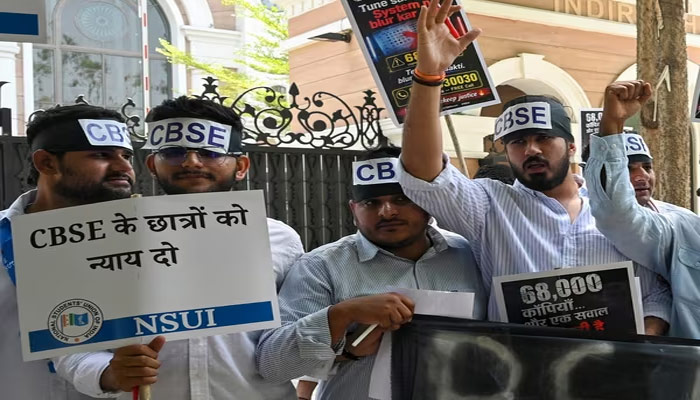
The Board’s On-Screen Marking (OSM) system, introduced for the evaluation of Class 12 board examination answer sheets, is facing intense scrutiny following complaints from students.
A petition before the Delhi High Court and a government-ordered inquiry into the rollout process. The controversy escalated further after the Centre removed CBSE Chairman Rahul Singh and Secretary Himanshu Gupta and initiated an investigation into the implementation of the system.
Early Concerns Before Full-Scale Rollout
Questions are now being raised about whether warning signs identified during the system’s trial phase were adequately addressed before nationwide implementation.
The OSM platform, developed by Hyderabad-based Coempt EduTeck, replaced the conventional method of evaluating physical answer scripts with a digital system based on scanned copies.
A pilot exercise conducted in Delhi in January reportedly brought several technical and operational issues to light. Participants involved in the trial are said to have recommended that the platform undergo more extensive testing and refinement before being deployed for live board examinations.
The trial involved principals, evaluators, examiners and subject experts from a mix of private schools, government schools, Kendriya Vidyalayas and Navodaya Vidyalayas.
Technical Issues Flagged During Trial
According to sources familiar with the exercise, evaluators highlighted a range of concerns related to marking accuracy, interface functionality and system stability.
Reported issues included incorrect reflection of marks modified by supervisors, discrepancies between official marking schemes and scores displayed on screen, missing marks for certain question segments and the allocation of partial marks not permitted under official guidelines.
Participants also reported instances of system freezes, particularly while using editing functions, as well as concerns regarding unsaved progress and the possibility of awarding marks to unanswered questions through interface errors.
Several of these issues were reportedly still under discussion when the trial concluded.
Student Complaints Mirror Earlier Warnings
Following the declaration of Class 12 results, students who obtained copies of evaluated answer sheets alleged inconsistencies that appeared similar to concerns raised during the pilot phase.
Among the complaints were claims of unchecked answers, partially assessed responses, blurred scanned copies and discrepancies between written answers and awarded marks.
These allegations have become a key focus of the ongoing legal and administrative scrutiny surrounding the system.
Governing Body Recommendations
Documents from previous CBSE meetings indicate that members of the Governing Body had recommended broader pilot projects across multiple regional offices and subjects before introducing on-screen evaluation on a large scale.
However, the Board ultimately proceeded with implementation after the limited Delhi-based trial.
CBSE’s Defence
CBSE has maintained that feedback received during the pilot exercise was reviewed and incorporated before live deployment.
According to the Board, several modifications were made, including the introduction of a dedicated save function, simplification of mark-editing procedures, improvements to system accessibility and better integration of marking schemes with answer scripts.
The Board has also stated that the trial helped identify weaknesses that were subsequently addressed before evaluation began.
Additional Warnings Raised
A second feedback report reportedly listed dozens of concerns covering evaluation processes, technical operations and examiner workflows.
Among the observations were worries about the possibility of superficial evaluation, limitations in examiner collaboration and the absence of mechanisms allowing supervisors to return answer scripts for comprehensive rechecking before final approval.
These concerns have resurfaced as stakeholders examine whether safeguards were sufficient during implementation.
CERT-In Security Alerts
Separate questions have emerged regarding cybersecurity preparedness.
According to information discussed before a Parliamentary Standing Committee, the Indian Computer Emergency Response Team (CERT-In) issued multiple alerts regarding vulnerabilities linked to the online evaluation ecosystem earlier this year.
The warnings reportedly followed assessments of domains associated with the evaluation platform and highlighted security issues requiring attention before large-scale deployment.
The matter gained public attention after an ethical hacker publicly claimed to have identified vulnerabilities capable of exposing sensitive functions within the system. While CBSE initially disputed the allegations, it later acknowledged certain weaknesses and said corrective measures were taken.
Focus On Vendor’s Past Record
The controversy has also renewed attention on Coempt EduTeck, the company behind the platform.
The Hyderabad-based firm, formerly known as Globarena Technologies, has worked on examination-related projects for several educational institutions and government bodies. However, its past involvement in examination controversies has led to fresh questions about vendor selection, risk assessment and system readiness.
Growing Scrutiny
As investigations continue and legal proceedings move forward, the central question remains whether concerns flagged during testing, governance reviews and security assessments received sufficient attention before one of India’s largest examination systems shifted to a fully digital evaluation model.
The outcome of the inquiry is expected to play a crucial role in determining accountability and shaping the future of technology-driven assessment systems in India’s education sector.
Comments are closed.