
India’s Favourite Mangoes: From Alphonso to Langra, A Journey Through Iconic Varieties

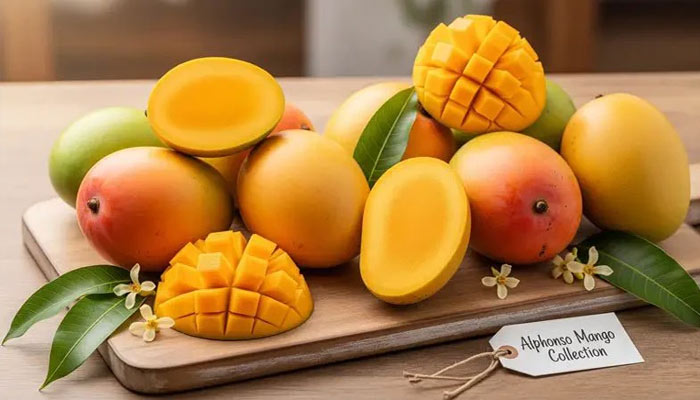
As summer sweeps across India, mangoes begin taking over fruit markets, roadside carts and household kitchens alike.
Across the country, every region proudly showcases its own signature variety, each shaped by local soil, climate and culinary traditions. India remains the world’s largest mango producer, with states like Uttar Pradesh, Andhra Pradesh, Maharashtra, Bihar and Gujarat playing a major role in cultivation. Beyond being a seasonal favourite, mango farming supports millions of farmers and remains deeply connected to regional food culture.
Among the country’s most celebrated varieties is the Alphonso, famous for its rich aroma, saffron-coloured pulp and creamy sweetness. Mainly grown in Maharashtra, Gujarat and parts of Karnataka, it is widely considered one of India’s finest export-quality mangoes.
Totapuri, recognised by its distinct pointed tip and elongated shape, is another widely consumed variety from southern India. Cultivated largely in Andhra Pradesh, Karnataka and Tamil Nadu, it is commonly used in juices, pulp processing and summer coolers because of its mildly tangy taste.
In North India, Dashehari continues to enjoy immense popularity for its smooth, fibreless flesh and naturally sweet flavour. Another favourite, Kesar from Gujarat, stands out for its bright orange pulp, strong fragrance and widespread use in desserts, milkshakes and sweets.
Langra, known for its green outer skin even after ripening, remains a household favourite across Uttar Pradesh, Bihar and West Bengal. Its juicy texture, intense sweetness and thin skin have helped it build a loyal following for generations.
Several regional varieties also contribute to India’s rich mango diversity. Suvarnarekha, cultivated in Andhra Pradesh and Odisha, is admired for its attractive reddish blush and dependable yield, while Vanraj has steadily gained recognition among growers for its flavour and appearance.
Goa’s renowned Mankurad mango is especially valued for its vibrant yellow skin and rich taste. Despite being delicate during humid monsoon conditions, it continues to hold a special place in Goa’s seasonal fruit culture.
In eastern India, Bombai mangoes remain popular across Bihar and West Bengal. Medium-sized with balanced sweetness and soft texture, these mangoes are a familiar presence in local summer markets every year.
Another Goan variety, Fernandin, is recognised for its yellow skin marked with a reddish tint and moderate shelf life. Usually enjoyed fresh, it reflects the incredible regional diversity that makes India’s mango season one of the country’s most loved annual traditions.
Comments are closed.