
Iran Rejects Trump’s Claims on Hormuz and Nuclear Terms, Calls Peace Deal Narrative “Mixed Truths”

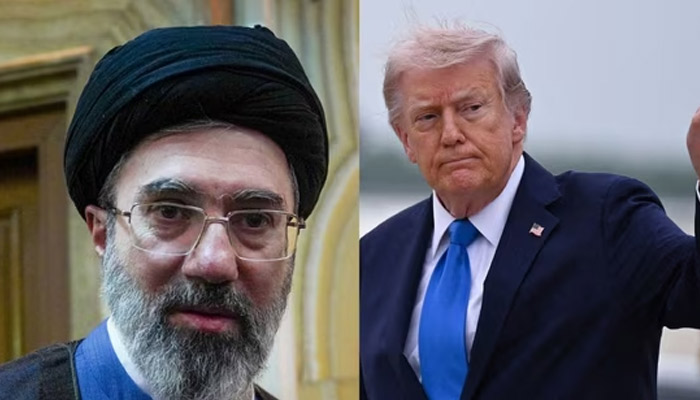
Immediately after US President Donald Trump claimed that a possible agreement with Iran would include.
The reopening of the Strait of Hormuz without fees or conditions, Iranian media outlets linked to the military strongly disputed his remarks, describing them as “a mix of truth and lies” that misrepresent the draft under discussion in Tehran.
Fars News Agency, which is affiliated with the Islamic Revolutionary Guard Corps (IRGC), cited senior Iranian officials who said Trump’s statements amounted to an attempt to “manufacture a false sense of victory” and were not aligned with the current negotiations.
According to the report, the proposed framework — described by Iranian sources as a “commitment for commitment” arrangement — remains under internal review and has not yet received final approval. Officials stressed that no agreement has been concluded at this stage.
Trump, ahead of a White House meeting on the West Asia conflict, had claimed that restrictions affecting maritime traffic through the Strait of Hormuz — a critical global oil passage handling roughly one-fifth of the world’s crude shipments — were being lifted and that normal shipping operations would resume.
He also asserted that Iran would carry out clearance operations in the strait, including removing or neutralising any remaining mines, and suggested that naval restrictions would soon be fully rolled back, allowing commercial vessels to return freely to the route.
In a series of posts, Trump further claimed that “no money will be exchanged, until further notice” and that “other items of far less importance have been agreed upon,” presenting the deal as effectively finalised in principle.
Iranian media, however, rejected these claims, saying the draft agreement contains no provision allowing unrestricted reopening of Hormuz or toll-free passage. Instead, it states that any resumption of full maritime traffic would be subject to Iranian arrangements, potentially including monitoring, inspections, security protocols, and maritime services.
The Fars report also disputed Trump’s assertion regarding Iran’s nuclear commitments, calling claims about dismantling or destroying nuclear materials “baseless” and stating that no such clause exists in the memorandum being discussed.
It further said that a central element of the draft involves the release of approximately $12 billion in frozen Iranian assets, which Tehran views as a key precondition for progressing further in talks. Iranian officials were also quoted as saying that discussions would not advance to the next phase until these funds are released.
The report added that broader issues, including sanctions relief, nuclear negotiations, and regional ceasefire arrangements — including developments linked to Lebanon — remain part of ongoing discussions.
Iranian sources emphasised that any eventual agreement would adhere to Tehran’s “red lines” and reflect its stated mistrust of Washington, underscoring that negotiations remain fragile and far from final.
Comments are closed.