
Heat at night across India stresses electricity grid and threatens health

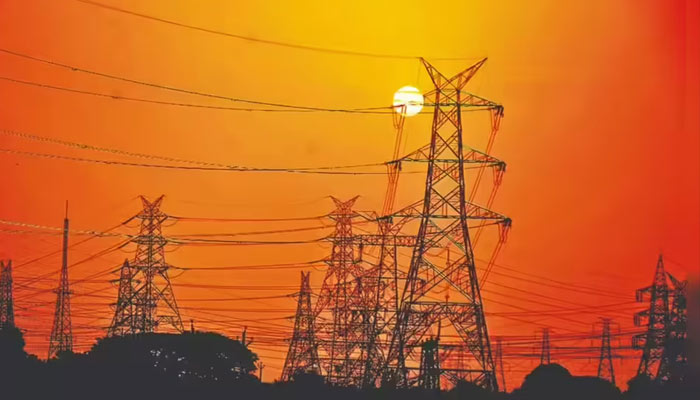
India is facing a worsening summer reality where nights are no longer bringing relief from extreme heat, adding fresh strain on both public health and the power system.
While daytime temperatures in Indian summers have long been intense, data now shows that nighttime heat is rising steadily as well, leaving people with little recovery time and keeping electricity demand elevated even after sunset.
According to the India Meteorological Department (IMD), average minimum temperatures between March and May—an indicator of nighttime heat—have stayed above normal in eight of the past 10 years, signalling a clear long-term warming trend. The agency has also warned that above-normal minimum temperatures are likely again this summer across much of the country.
Nights turning into a health hazard
Experts say the persistence of heat through the night is emerging as a serious health concern, particularly for vulnerable populations.
Unlike earlier summers when temperatures dropped after sunset, many regions now remain uncomfortably hot overnight due to a combination of climate change and urbanisation.
Urban planners and climate researchers point to the “urban heat island” effect, where dense concrete infrastructure absorbs heat during the day and releases it slowly at night, keeping cities warmer for longer. Rapid expansion of roads, buildings and paved surfaces is amplifying this effect.
Health risks rising
Doctors and climate experts warn that sustained nighttime heat can be more dangerous than daytime peaks in some cases, as it prevents the body from recovering.
Continuous exposure can increase risks of dehydration, heat exhaustion, poor sleep quality and worsening of pre-existing health conditions. The impact is especially severe for the elderly, children, pregnant women, outdoor workers and low-income households with limited access to cooling.
Power demand staying high after dark
The impact is also being felt on India’s electricity system, with demand staying elevated well into the night as households rely on cooling appliances for longer hours.
While renewable energy has helped meet daytime demand, evening supply remains under pressure, contributing to occasional shortfalls and stress on distribution networks in several regions.
In some states, higher consumption combined with infrastructure limitations has led to intermittent power cuts during peak demand hours.
Urban India at the centre of the crisis
Cities are particularly affected as concrete-heavy environments trap heat and reduce natural cooling. Experts say poor urban design and fast-paced construction are worsening the situation, especially in densely populated neighbourhoods.
For many residents, nights are now spent either under fans and air conditioners running continuously or outdoors in search of cooler air, where available.
A growing climate warning
Scientists say the rise in nighttime temperatures is a clear indicator of accelerating climate stress. Without improvements in urban planning, cooling access and power infrastructure, India’s nighttime heat problem is expected to intensify in the years ahead—making summers longer, harsher and more difficult to endure even after sunset.
Comments are closed.