
Climate Change Drives Rise in Malaria Cases Across Southern Africa, Jeopardising Elimination Efforts

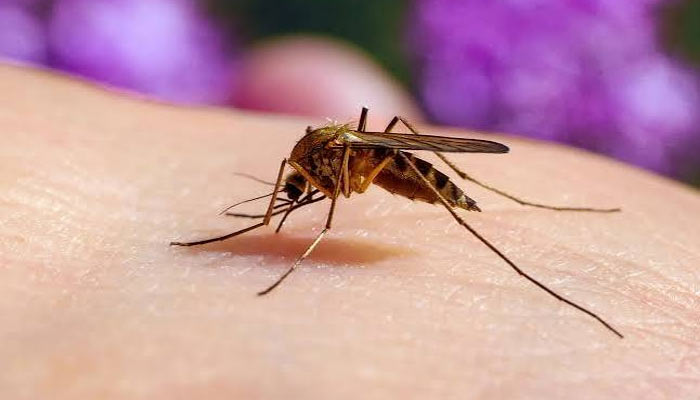
Climate Change Sparks Malaria Surge Across Southern Africa, Raising Alarm Over Elimination Targets
Rising temperatures, shifting rainfall patterns and increasingly frequent floods are driving a sharp increase in malaria cases across southern Africa, threatening years of progress in the fight against one of the region’s deadliest diseases.
In South Africa’s northeastern province of Mpumalanga, health workers are intensifying mosquito-control measures as malaria infections climb. The province, which lies within the country’s malaria belt, has witnessed a significant rise in cases amid weather conditions that favour mosquito breeding and accelerate parasite development.
According to the National Institute for Communicable Diseases (NICD), malaria cases in Mpumalanga were four times higher in January than during the same period last year, placing South Africa’s target of eliminating the disease by 2029 under growing pressure.
The impact is being felt beyond traditional malaria zones. Gauteng province, home to Johannesburg and Pretoria, recorded more than 400 malaria cases and 11 deaths during the first three months of 2026. While most infections were linked to travel from endemic regions, health authorities described the numbers as worrying.
The trend extends across southern Africa. Namibia reported a 68 per cent increase in malaria cases during the opening weeks of 2026, while neighbouring Mozambique recorded more than 1.35 million infections and dozens of deaths after severe flooding created ideal breeding conditions for mosquitoes.
Experts say climate change is not expanding malaria into entirely new territories but is intensifying outbreaks in areas already vulnerable to the disease. Warmer temperatures shorten the development cycle of both mosquitoes and malaria parasites, while heavy rains leave behind stagnant water where mosquitoes can breed.
“Climate change is supercharging existing hotspots and extending transmission periods,” said infectious disease specialists, warning that rural communities and regions on the fringes of established malaria zones face the greatest risk.
Health authorities are also grappling with operational challenges caused by extreme weather. Flooded roads can prevent spray teams and healthcare workers from reaching remote communities, while prolonged heatwaves threaten vaccine storage systems that rely on strict refrigeration standards.
Officials in Mpumalanga say traditional assumptions about malaria seasons are becoming less reliable as transmission increasingly continues beyond the summer months.
Despite the growing threat, public health workers continue to face resistance from some residents who remain sceptical about indoor insecticide spraying programmes, one of the most effective tools for controlling mosquito populations.
Health experts warn that without stronger climate adaptation measures, improved surveillance and expanded prevention campaigns, southern Africa’s efforts to eliminate malaria could face significant setbacks in the years ahead.
Comments are closed.